


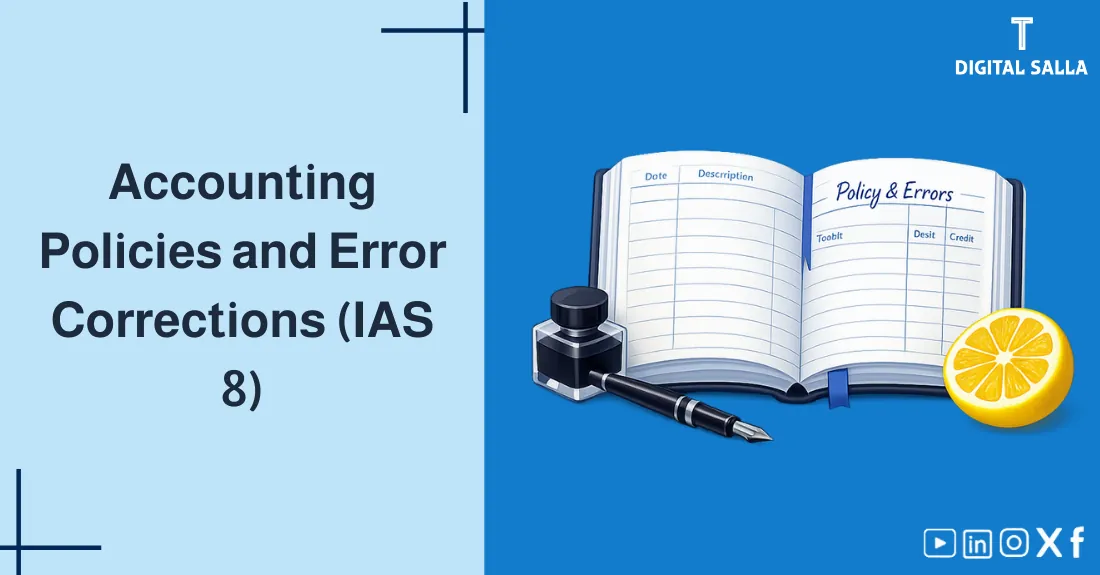
Accounting Policies and Error Correction (IAS 8)
Accounting Policies According to IAS 8: Consistency in Policies, When Disclosure of Policies is Required, and How to Distinguish Between a Policy Change and a Change in Estimates and Professionally Correct Errors—Digital Basket.

Year-End Closing: Closing Entries for Temporary Accounts and Transferring Results
Year-End Closing: Explanation of Closing Entries and how to zero out temporary accounts and transfer results to prepare final accounts and statements accurately, with clear practical steps—Digital Basket.

Reversing Entries: When to Use Them to Facilitate the New Month’s Work?
Reversing Entries: When to use them after adjusting entries? And how they help facilitate accounting work for the new month and avoid repetition, with common examples and beginning-of-year entries—Digital Basket.
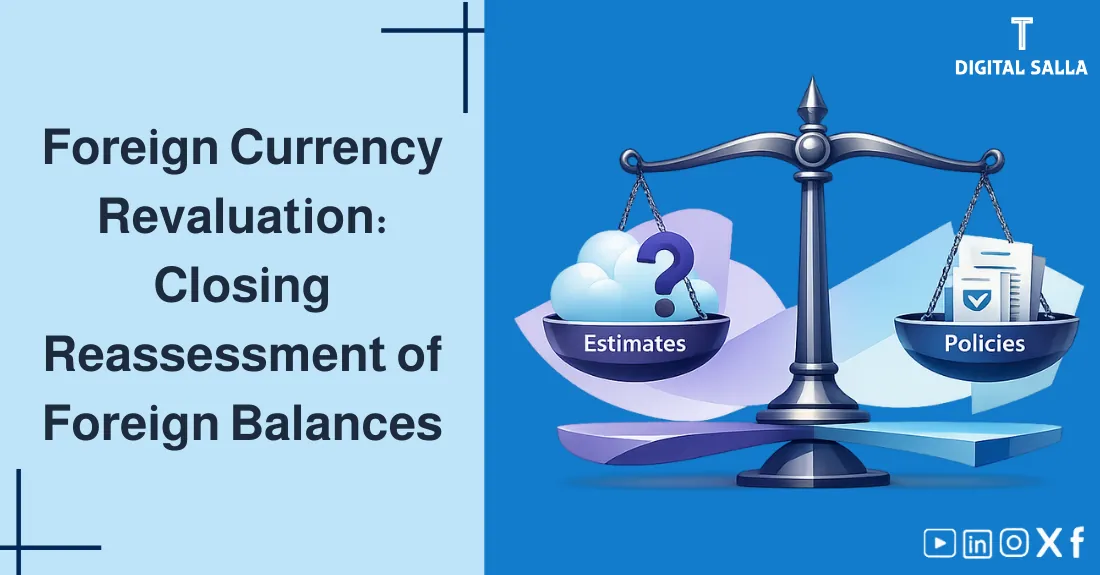
Currency Differences (FX Revaluation): Re-evaluating Foreign Balances Before Closing
Currency Differences: FX Revaluation Guide for re-evaluating currencies and foreign currency balances before closing, and how to correctly record exchange gains and losses to avoid profit surprises—Digital Basket.

End-of-Period Inventory Adjustments: Shortages, Damaged Goods, and Price Declines (NRV)
End-of-Period Inventory Adjustment: Inventory count and handling of shortages, surpluses, and damaged goods, and how to evaluate inventory and create a provision for inventory write-down according to NRV to avoid unreal profits—Digital Basket.
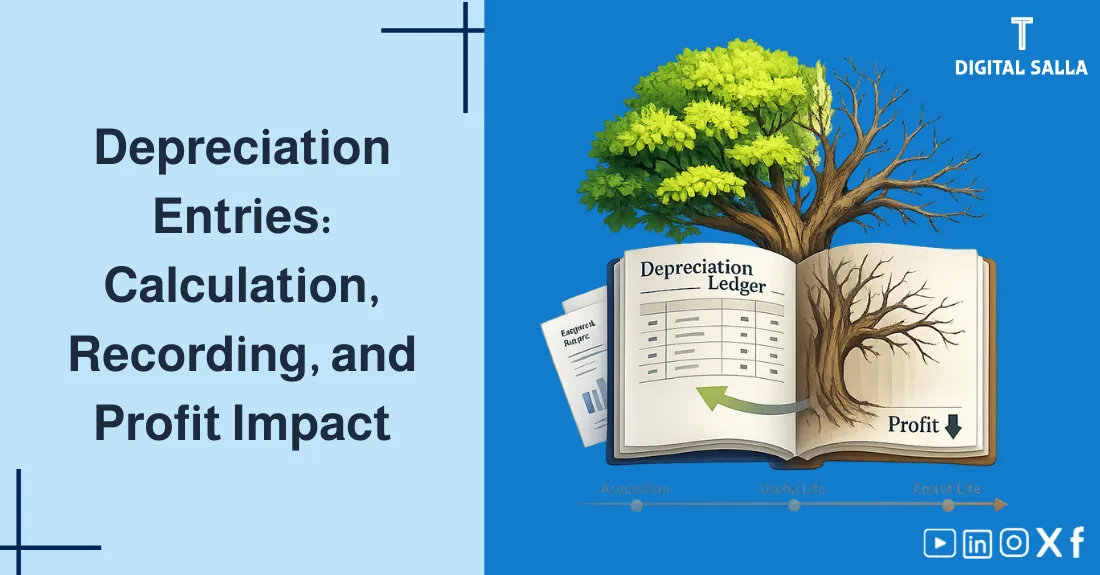
Depreciation Entries: Calculation, Recording, and Impact on Profit
Depreciation Entries: How to calculate and record depreciation expense with accumulated depreciation, and compare depreciation methods like straight-line, and how this reflects on profit and financial statements—Digital Basket.
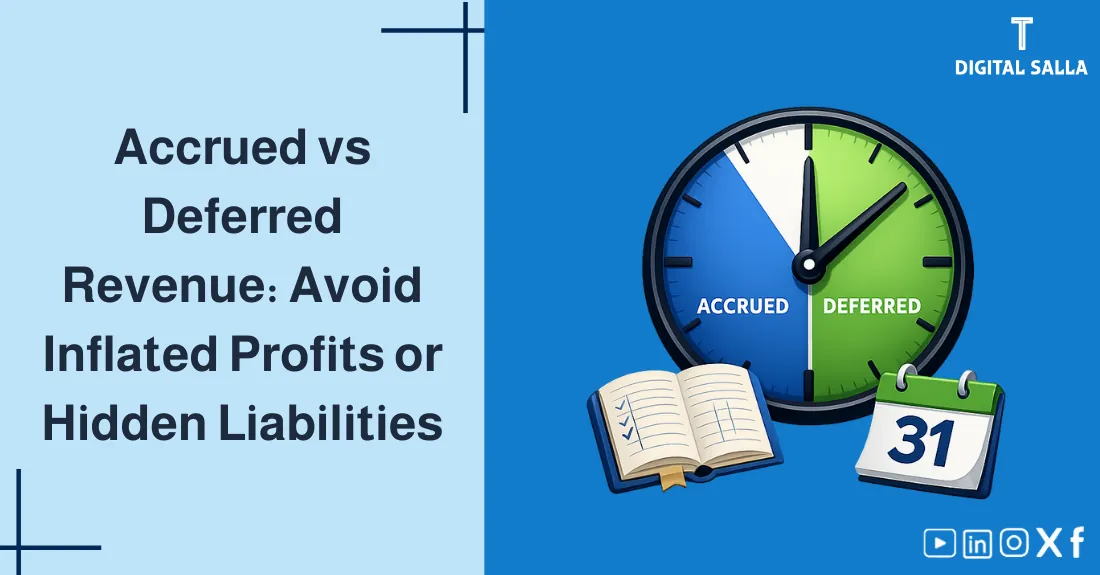
Accrued and Deferred Revenue: How to Prevent Profit Inflation or Conceal Liabilities?
Accrued and Deferred Revenues: The difference between Accrued Revenue and Deferred Revenue, and how to prevent profit inflation or conceal liabilities resulting from contracts through correct entries and clear disclosure—Digital Basket.
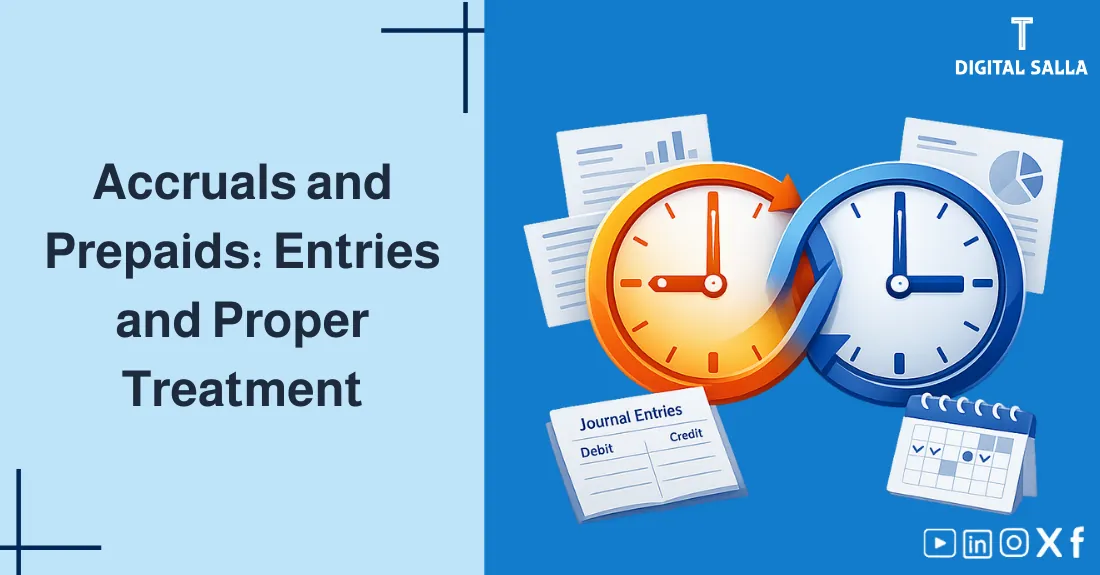
Accruals and Prepayments: Adjustments and Precise Processing
Accruals and Prepayments: Explanation of Accruals and Prepayments, adjusting entries, precise processing, and how they are classified between current assets and liabilities to ensure accurate results—Digital Basket.
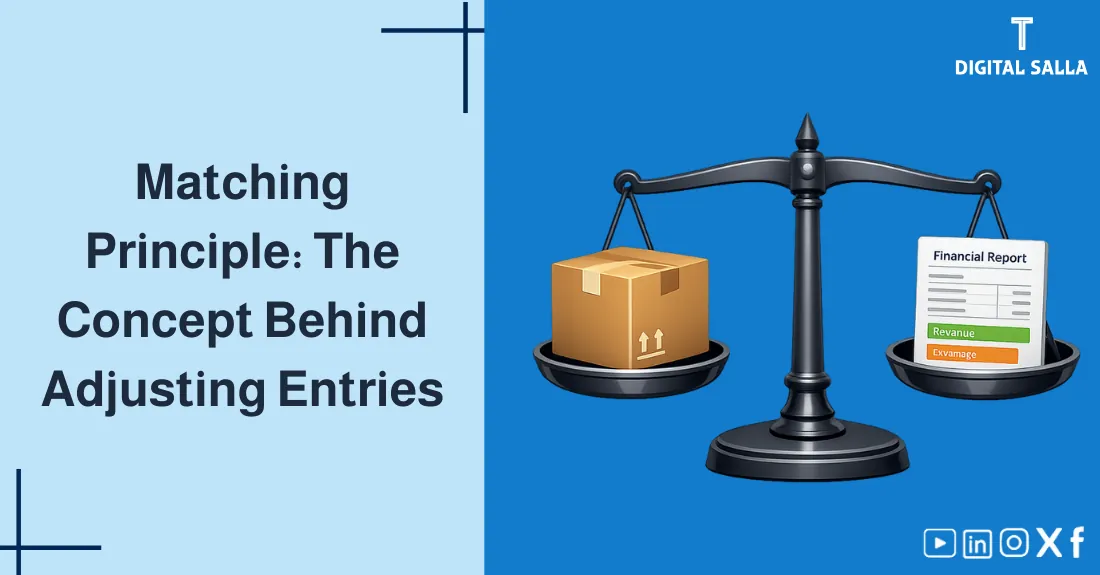
Matching Principle: The Concept Governing Inventory Adjustments
Matching Principle: How to match revenues with expenses to ensure the independence of financial years? An explanation of why this principle governs inventory adjustments and prevents profit inflation—Digital Basket.

Cash Basis vs Accrual Basis: Why do profitable companies collapse due to liquidity?
The difference between Cash Basis and Accrual Basis: Accrual Basis vs Cash Basis, the advantages and disadvantages of each basis, and why a profitable company might collapse due to liquidity, and when switching to accrual is necessary—Digital Basket.
Accrual Basis and Inventory Adjustments (The Heart of Financial Accounting)
Inventory adjustments are the heart of financial accounting: Learn about Adjusting Entries and how to prepare them before closing the period to correct revenues and expenses and link them to the accounting cycle—Digital Basket.
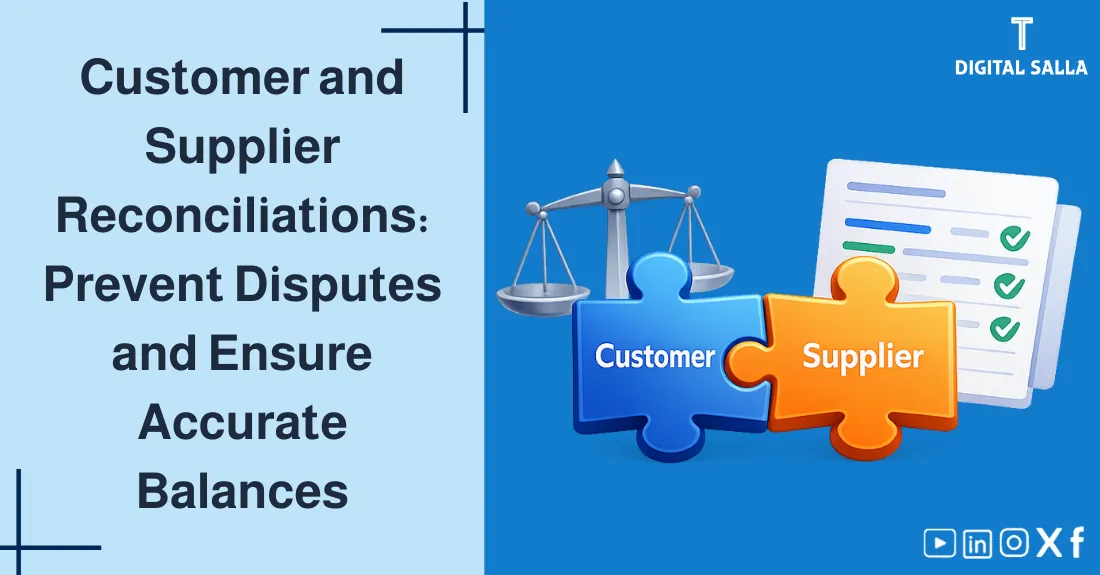
Customer and Supplier Reconciliations: How to prevent disputes and ensure balance accuracy?
Customer and Supplier Account Reconciliation: How to prepare a customer account statement and balance confirmations, and reconcile supplier accounts to prevent disputes and resolve financial conflicts, ensuring balance accuracy—Digital Basket.

Bank Reconciliation: A Step-by-Step Guide to Detecting and Closing Discrepancies
Bank Reconciliation Step by Step: Preparing a bank reconciliation statement, handling outstanding checks, and reconciling bank discrepancies to accurately close accounts and reduce error risks—Digital Basket.
Balanced Accounting Errors: Errors not revealed by the trial balance and how to catch them?
Balanced Trial Balance Errors: Errors that do not appear in the trial balance such as compensating errors and principle errors, and how to catch them through analytical tests and matches—Digital Basket.

Trial Balance: How to detect balance and posting errors?
Trial Balance: How to prepare a trial balance with balances and totals, and how to use the balance to quickly detect posting and entry errors before preparing statements—Digital Basket.