


Sub-ledgers and Control Accounts: Linking Detail and Total
Sub-ledgers: How does a customer sub-ledger and a supplier sub-ledger connect with control accounts in the general ledger? An explanation that ensures detail matches the total without gaps—Digital Basket.
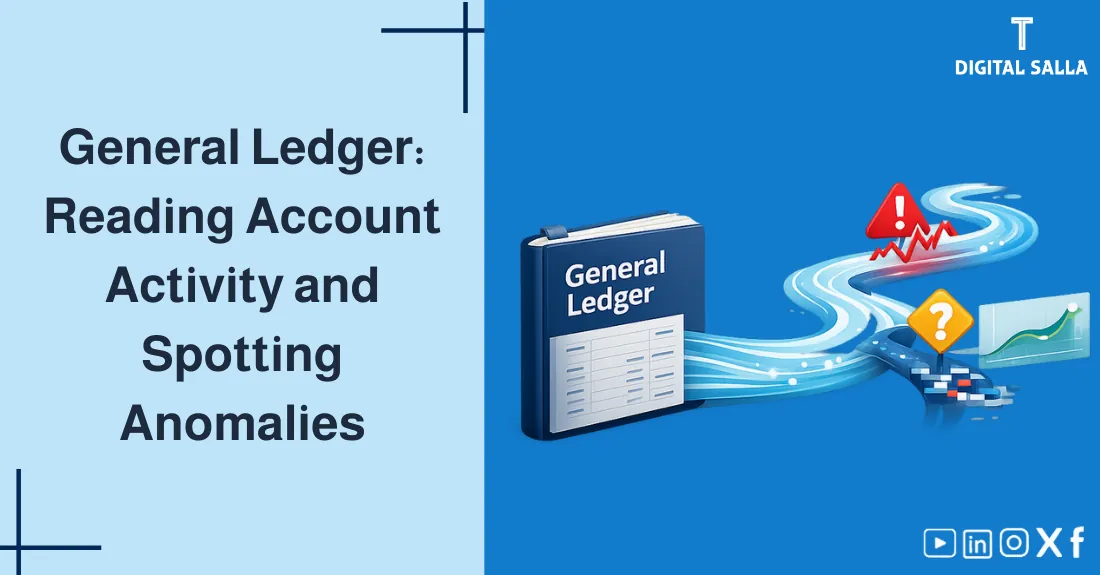
General Ledger: How to read account movements and detect anomalies?
General Ledger Guide: How to post to the ledger, balance accounts, and read the account statement to detect anomalies and errors before closing the period—Digital Basket.
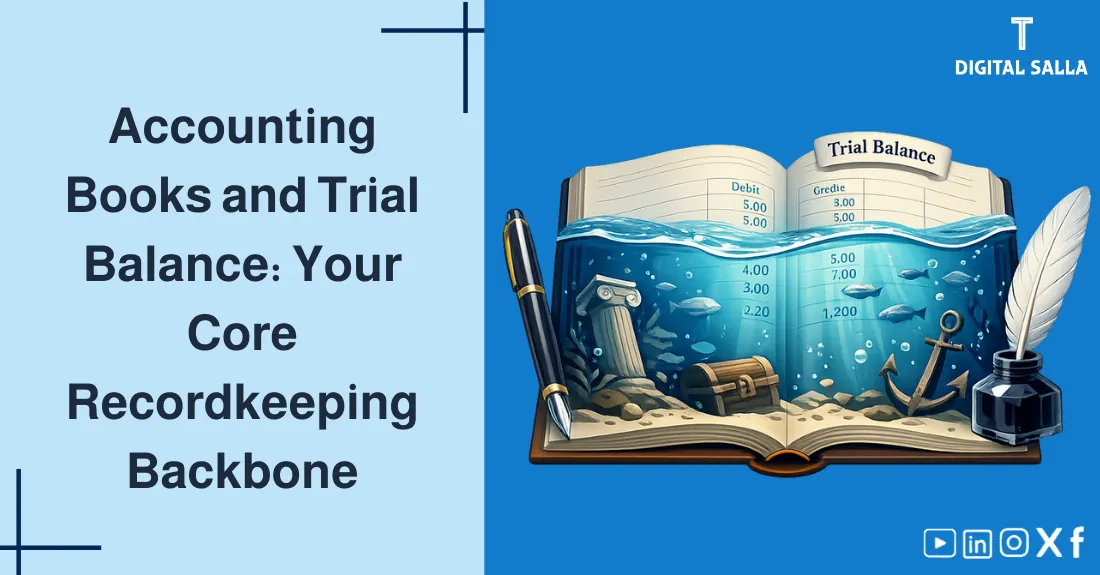
Accounting Books and Trial Balance: The Data Preservation Container
Accounting Books: What are the legal and mandatory books? And how do accounting records relate to the accounting cycle and the trial balance as a container that preserves data and ensures its tracking—Digital Basket.
Contra Accounts: Accumulated Depreciation and Allowance for Doubtful Accounts (Explanation and Application)
Learn about Contra Accounts such as Accumulated Depreciation and Allowance for Doubtful Accounts, and how to calculate and correctly present the net book value in statements—Digital Basket.
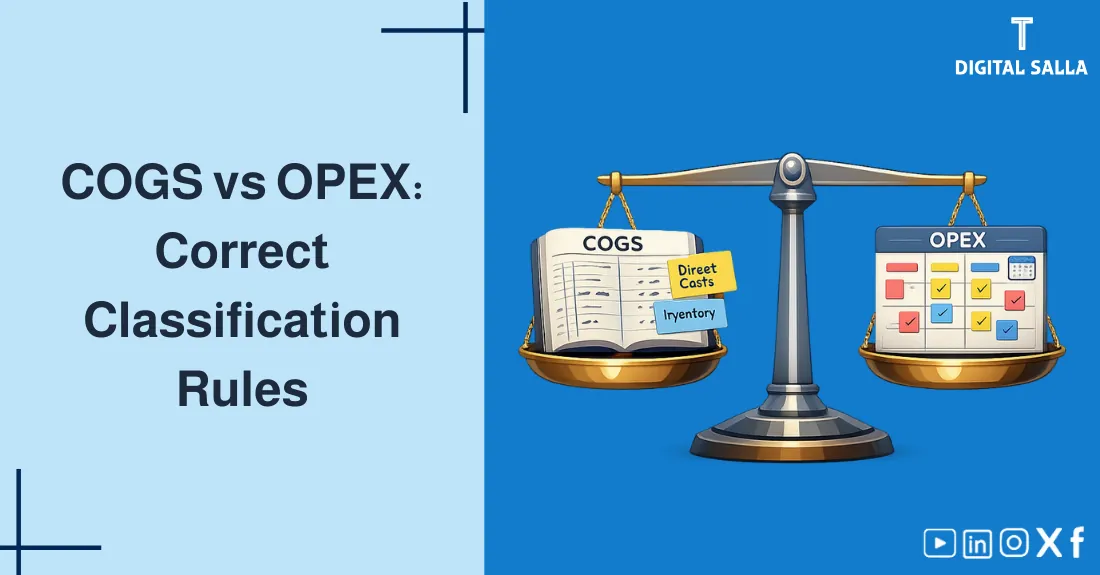
Cost of Goods Sold (COGS) vs Operating Expenses (OPEX): Correct classification rules
The difference between Cost of Goods Sold and Expenses: COGS vs OPEX and how classification affects gross profit margin and the classification of costs and administrative expenses, with examples to prevent profit distortion—Digital Basket.
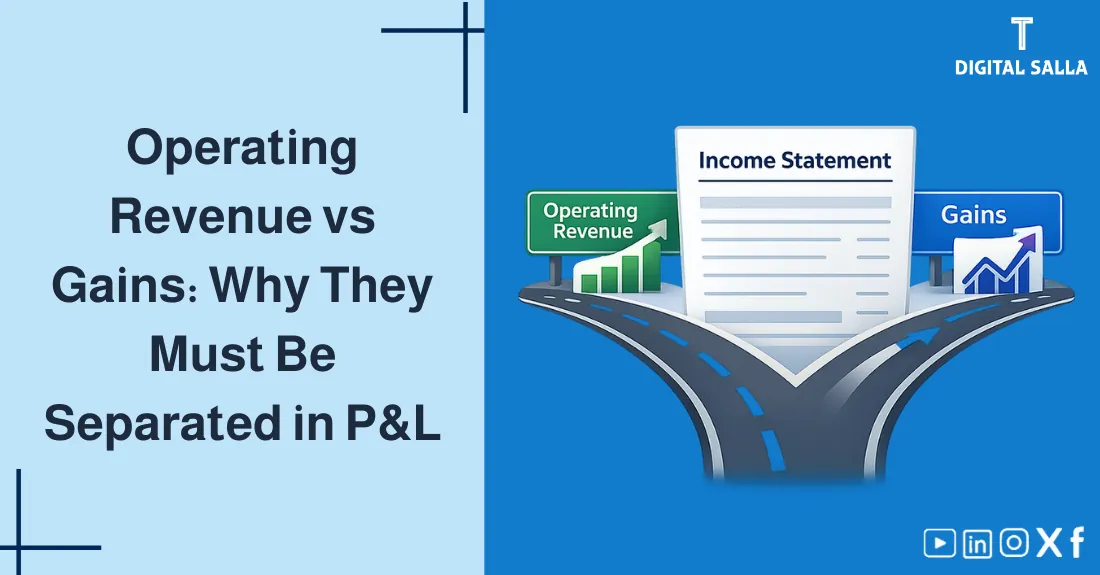
Operating Revenues vs Gains: Why should they be separated in the income statement?
Revenue and gains are not the same thing: the difference between Revenue and Gain and how to separate operating and non-operating revenues from asset sale gains for accurate income statement analysis—Digital Basket.
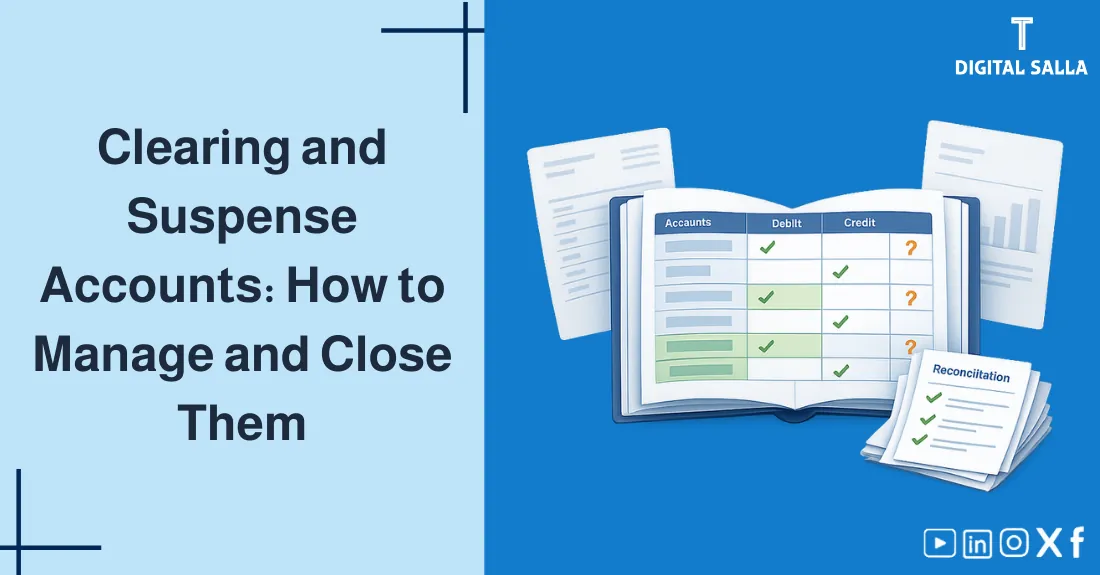
Intermediate Accounts (Clearing Accounts) and Suspense Accounts: How to Manage and Close Them?
Intermediate Accounts Guide: When to use Clearing Accounts and Suspense Accounts? And how to manage and close temporary accounts through account reconciliation to avoid hanging balances—Digital Basket.
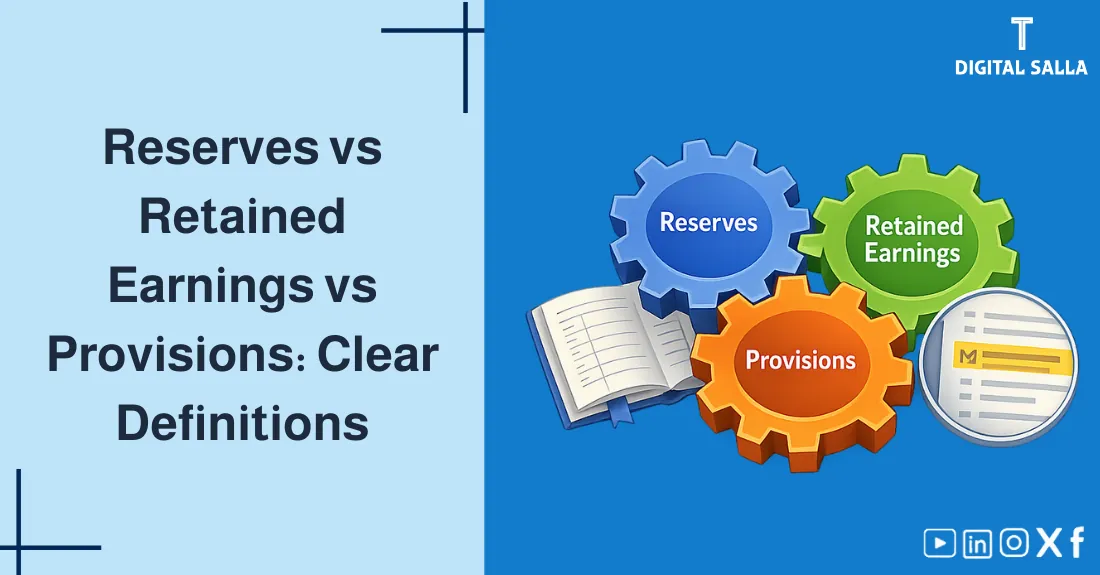
The Difference Between Reserves, Retained Earnings, and Provisions: Untangling the Confusion
Explain the difference between reserves, provisions, and retained earnings: What are the types of reserves and statutory reserve? And how does profit distribution affect equity and performance indicators—Digital Basket.
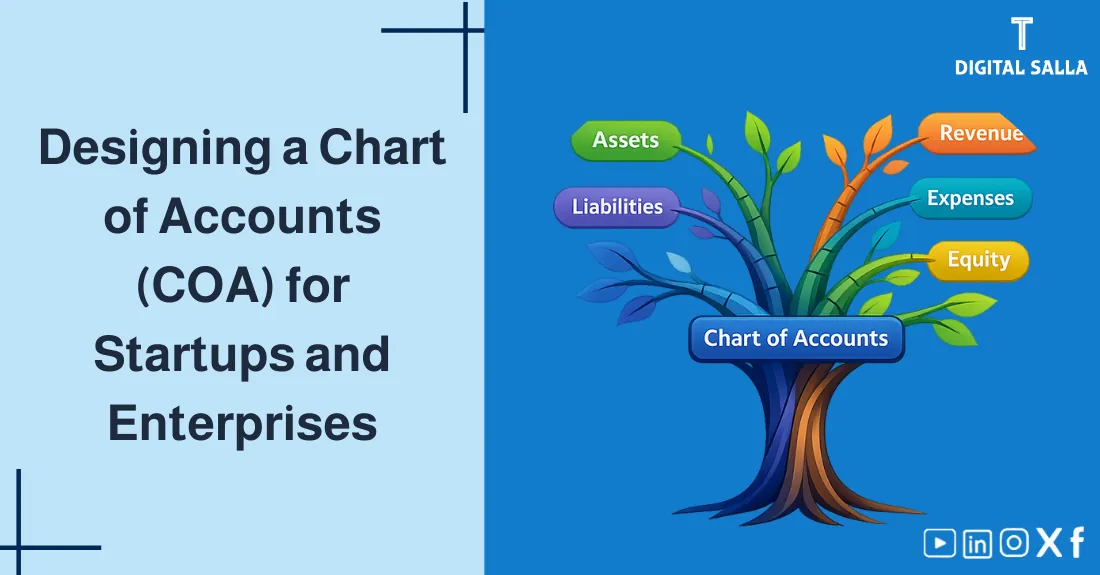
Chart of Accounts (COA) Design: How to Build a Flexible Account Tree for a Startup or Large Company?
Chart of Accounts Guide: How to design a flexible account tree and a COA structure that can grow? Learn account coding and best practices for a startup or large company for more accurate reports—Digital Basket.
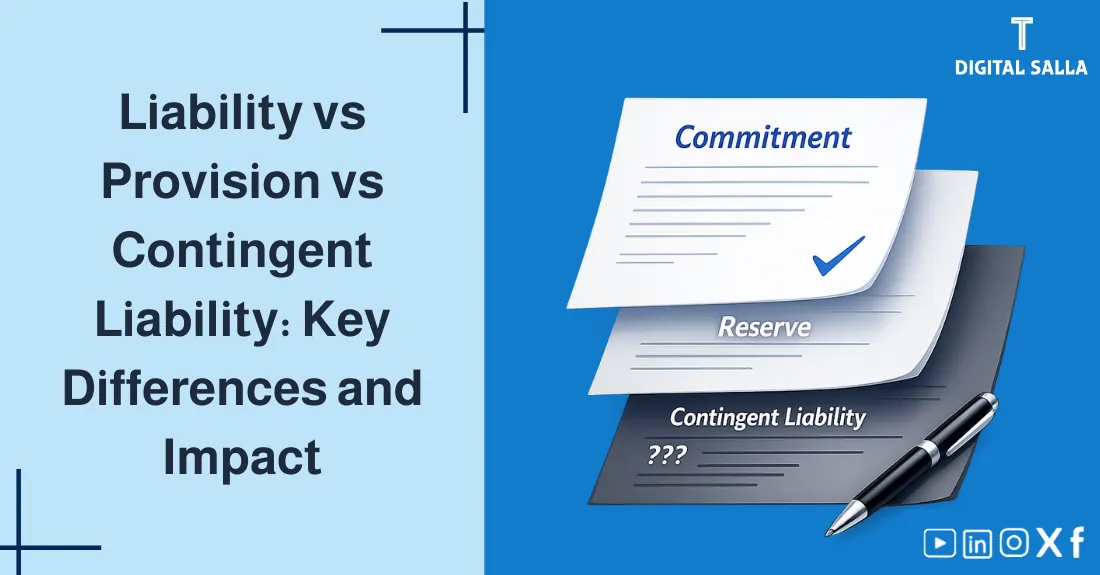
Liability vs Provision vs Contingent Liability: Key Differences and Their Impact on Statements
Understand the difference between provision, liability, and contingent liability according to IAS 37: Provisions vs Liabilities, and when to recognize provisions or just disclose them, and their impact on financial statements—Digital Basket.
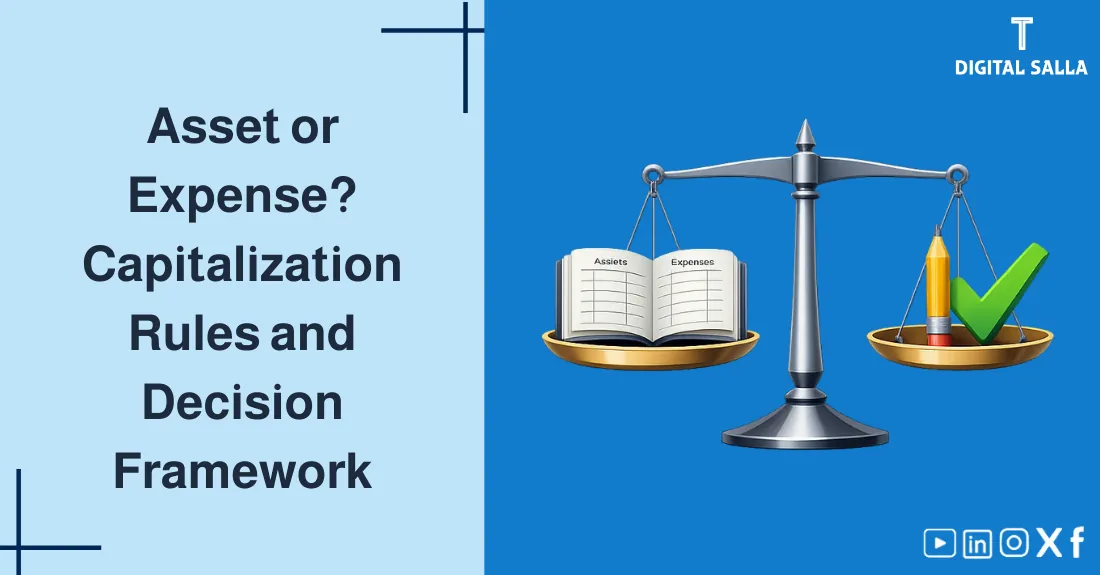
Asset or Expense? Capitalization Rules and How to Decide?
The difference between an asset and an expense: Capitalization rules and how to distinguish between capital and revenue expenditures according to IAS 16, with practical questions to help you make the correct classification decision—Digital Basket.
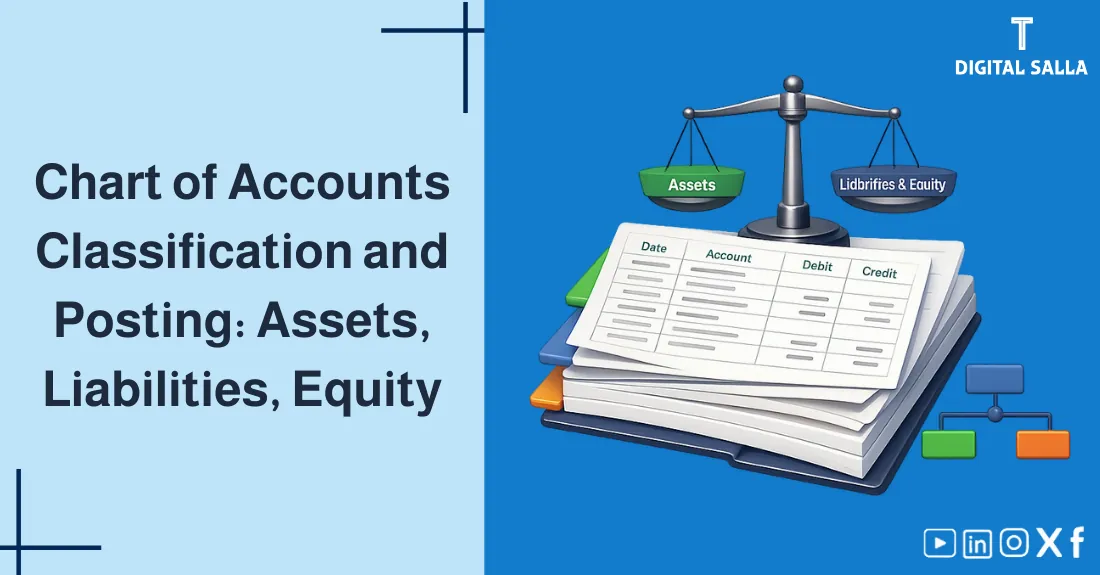
Account Classification Guide and Entry Direction: Assets, Liabilities, and Equity
Account Classification Guide: Categorizing accounts and building an account structure linking assets, liabilities, and equity to financial statement elements, with rules for directing entries for correct recording from the first time—Digital Basket.
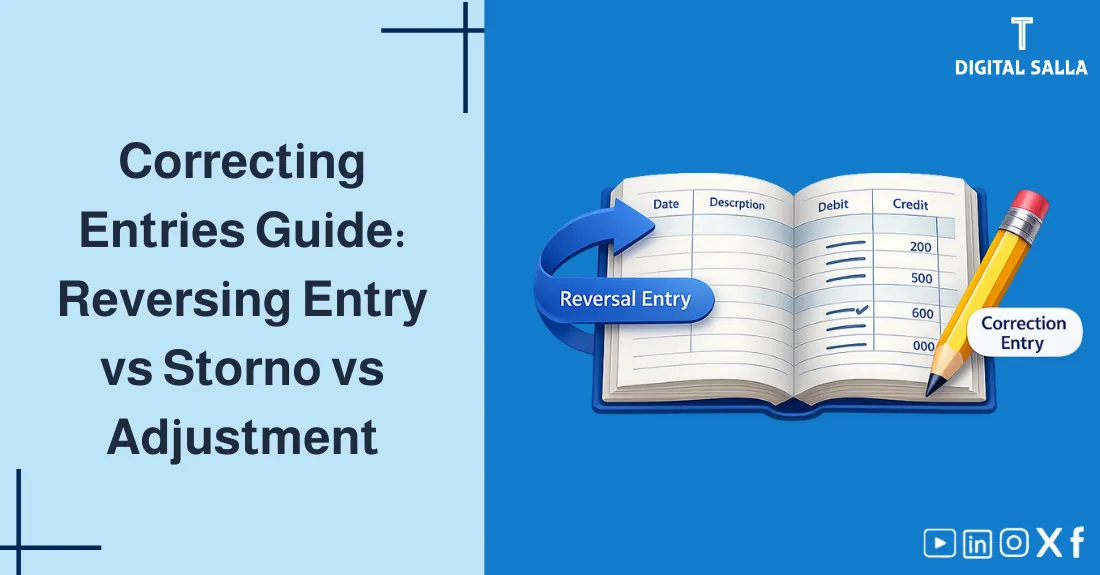
Methods for Correcting Wrong Entries: Reversing Entry vs Correction Entry (Storno)
Correcting Accounting Entries: When to use a reversing entry and when to use a correction entry (Storno)? Explanation of the detailed and concise method with examples to help you adjust the entry without distorting reports—Digital Basket.
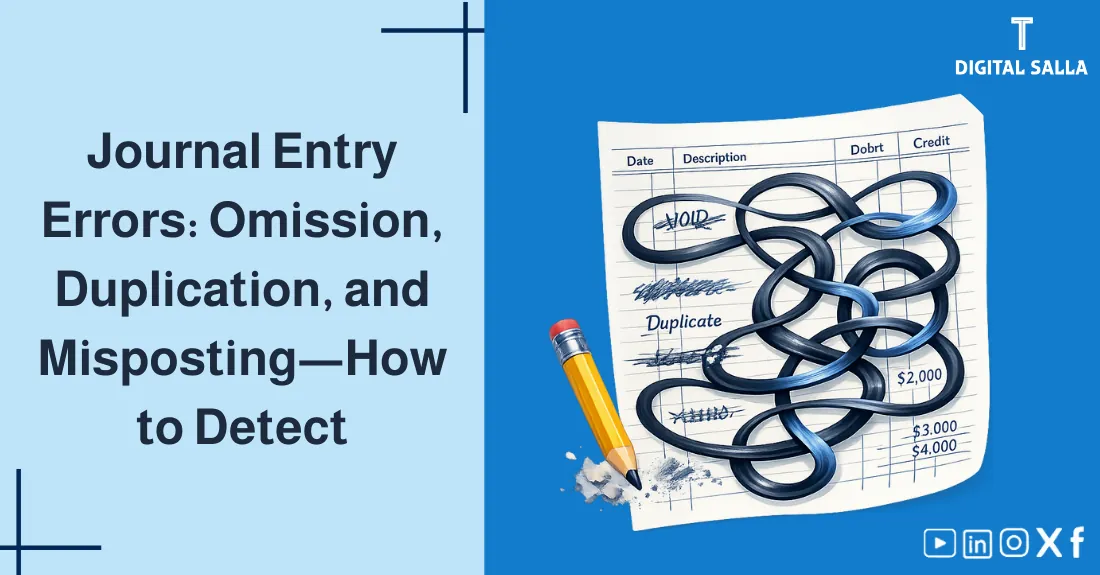
Accounting Errors in Entries: Deletion, Duplication, and Misdirection (How to Detect Them?)
Learn about accounting errors in entries such as deletion errors, duplication errors, and misdirection errors, and how errors are detected through review, posting, and trial balance with practical solutions—Digital Basket.
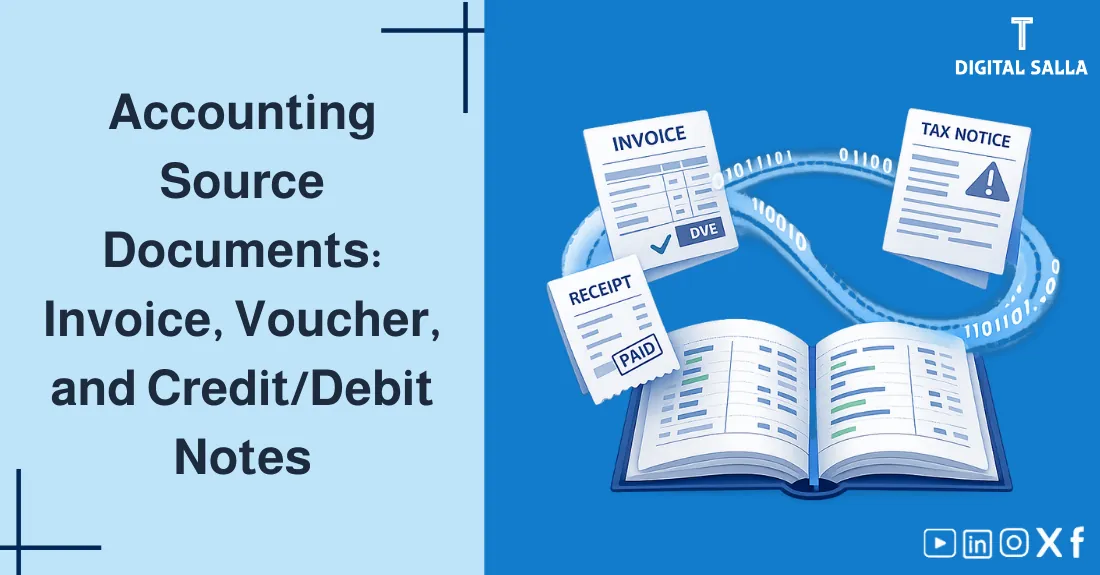
Accounting Documents: Invoice, voucher, and notice (Tax Acceptance Conditions)
Accounting Documents Guide: Tax invoice, receipt voucher, payment voucher, and notices, with tax acceptance conditions and best practices for document cycle and archiving to ensure compliance—Digital Basket.