


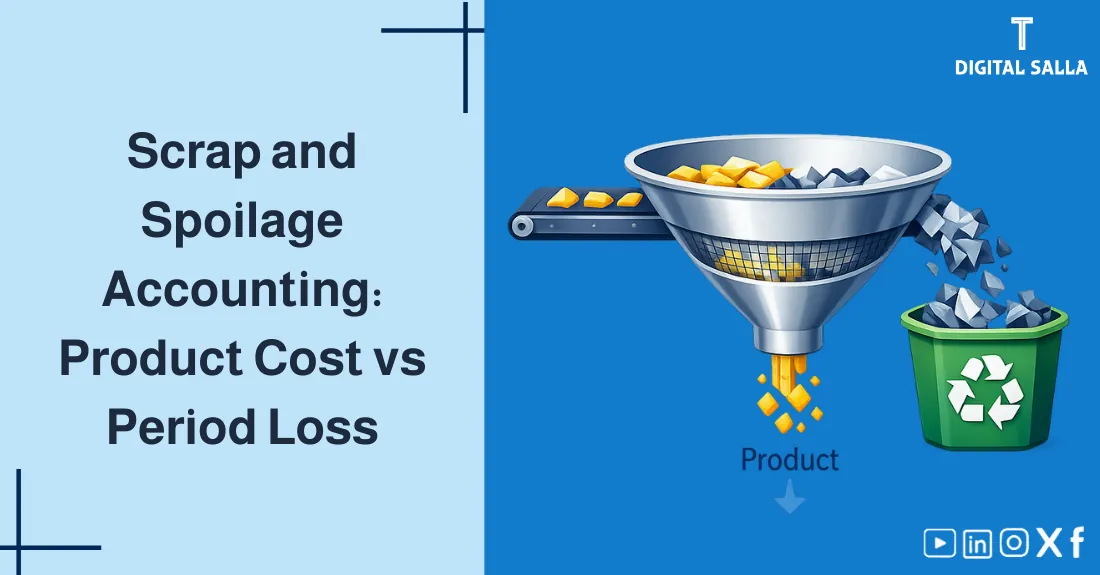
Scrap & Spoilage Treatment: When Does the Product Bear It and When Is It Considered a Period Loss?
Scrap & Spoilage Treatment: The Difference Between Normal and Abnormal Spoilage, and When the Product Bears the Scrap Cost and When It Is Treated as a Period Loss, with Its Impact on Quality Cost and Profitability—Digital Basket.
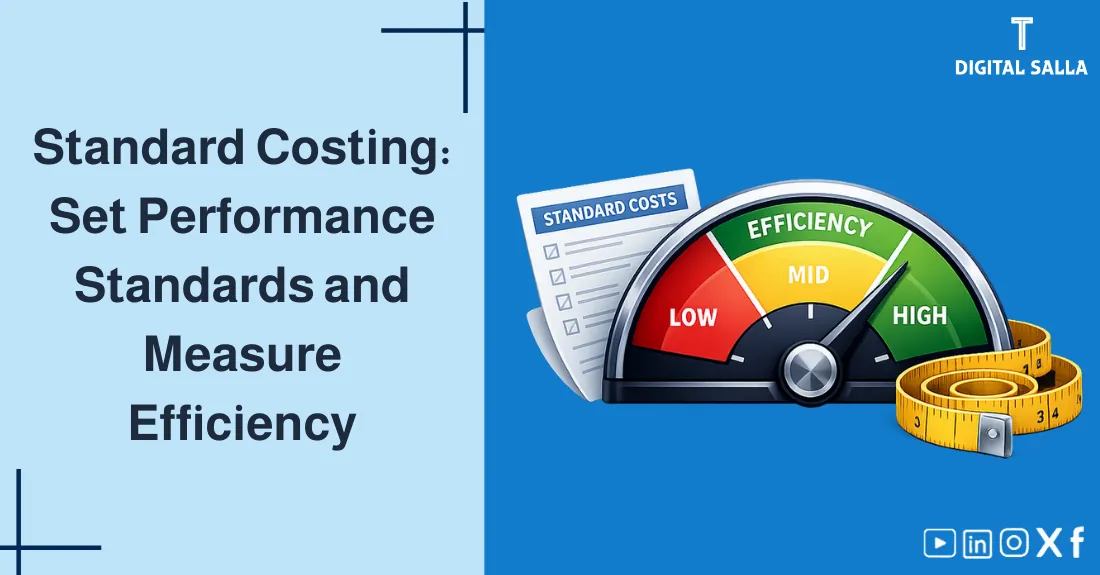
Standard Costing: How to Set Performance Standards and Measure Efficiency?
Standard Costing: How to Set Planned Costs and Performance Standards? Use the Standard Cost Card to Measure Efficiency, Analyze Variances, and Take Continuous Improvement Actions—Digital Basket.
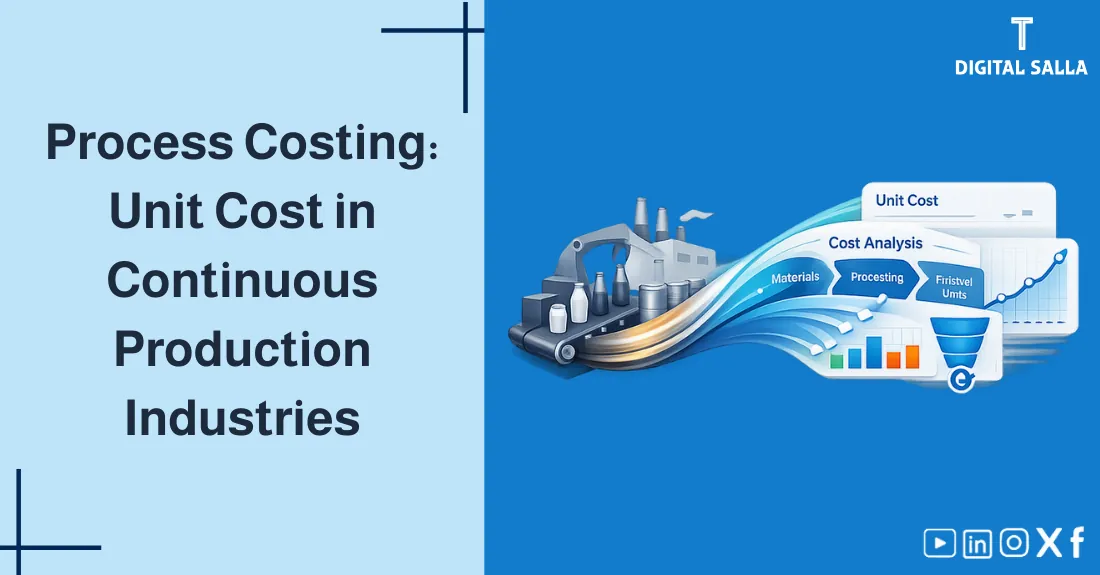
Process Costing System: Calculating Unit Cost in Continuous Production Factories
Process Costing: Calculating Unit Cost in Continuous Production Through the Concept of Equivalent Production, and How to Prepare a Production Report and Distribute Costs Among Stages for Accurate Costing—Digital Basket.
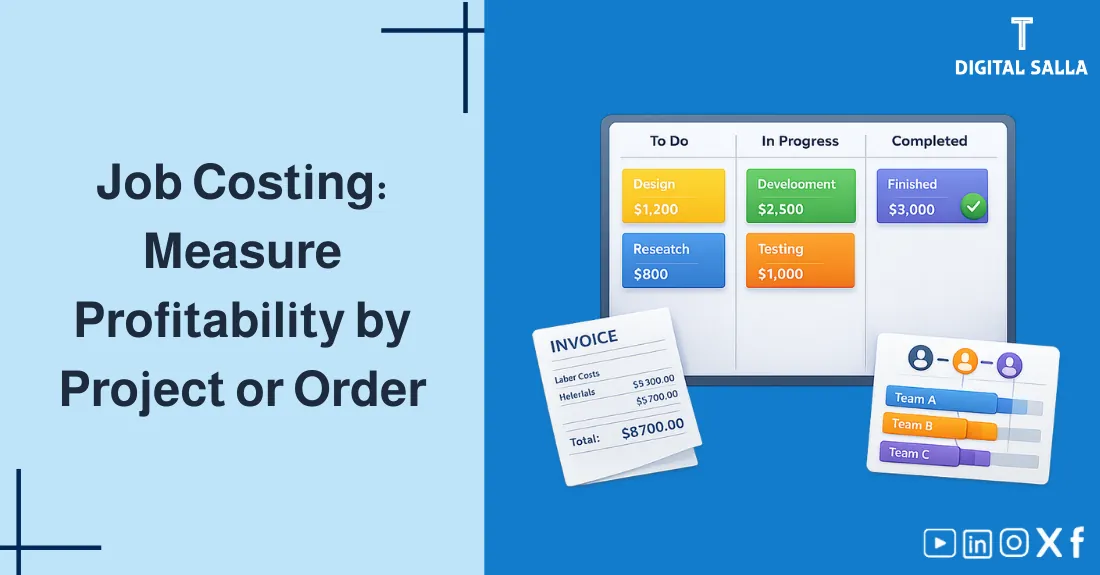
Job Costing System: How to Calculate the Profitability of Each Project or Order Individually?
Job Order Costing: How to Calculate the Cost of an Order and the Profitability of Each Project Individually Using a Cost Card, with Steps for Accurately Assembling Materials, Labor, and Indirect Costs—Digital Basket.
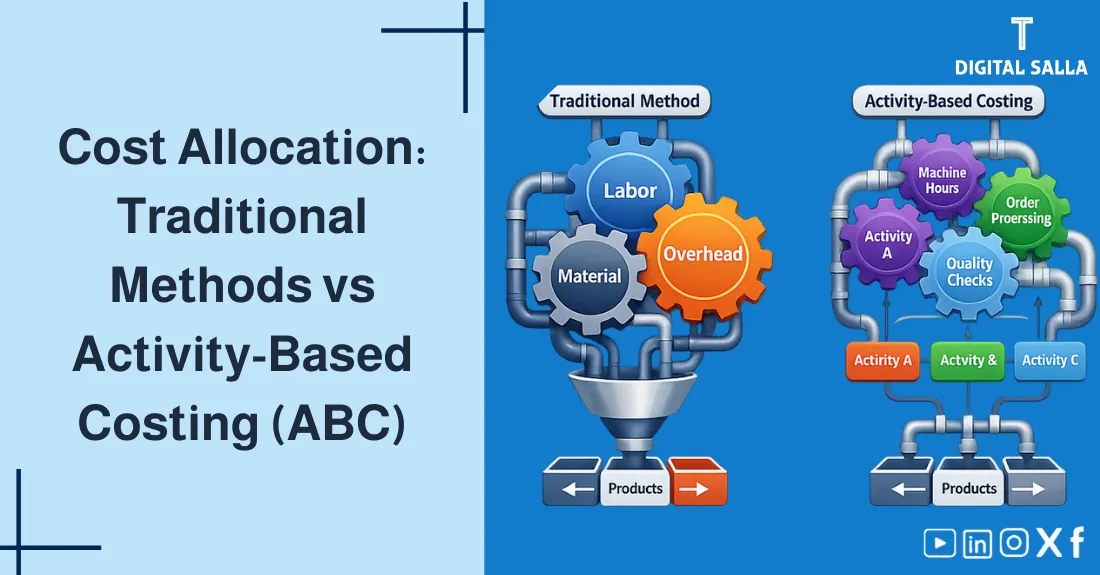
Cost Allocation: Traditional Method vs Activity-Based Costing (ABC)
Cost Allocation: Comparing the Traditional Method with ABC Costing (Activity-Based Costing), and how to determine the loading rate and use cost centers to fairly allocate costs and improve pricing decisions—Digital Basket.
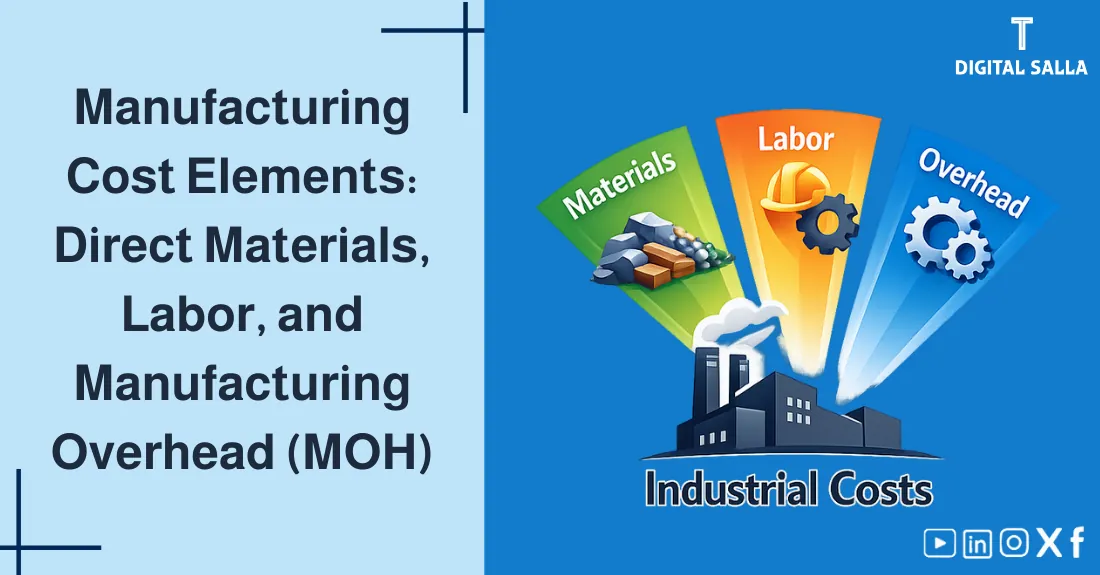
Elements of Industrial Costs: Direct Materials, Labor, and Manufacturing Overhead (MOH)
Elements of Industrial Costs: Explanation of Direct Materials, Direct Labor, and Manufacturing Overhead (MOH), and how to calculate the prime cost and link it to product pricing and performance control—Digital Basket.
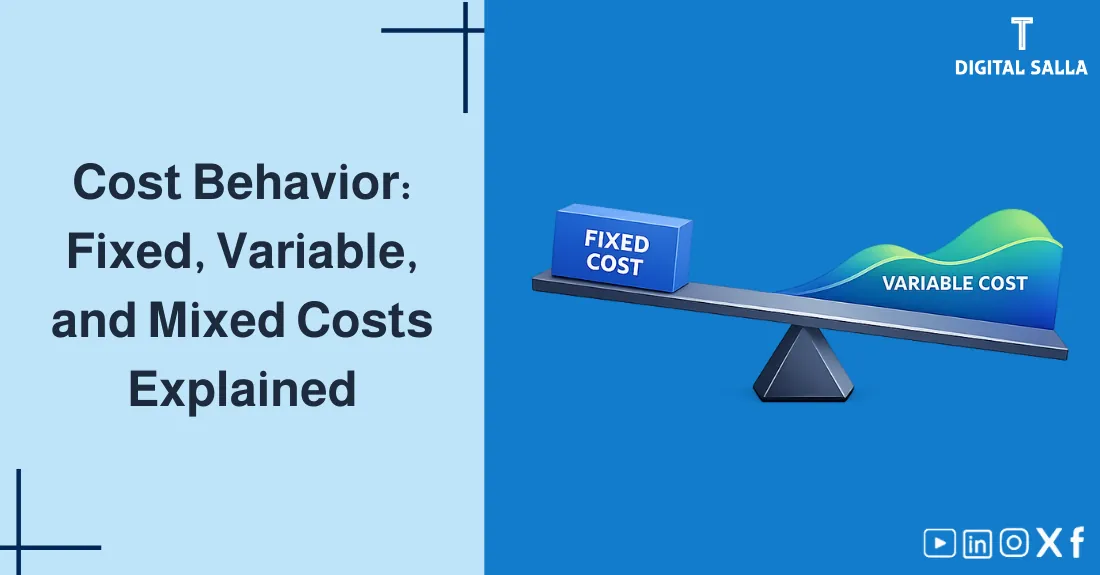
Cost Behavior: The Fundamental Difference Between Fixed, Variable, and Mixed Costs
Cost Behavior: The difference between fixed, variable, and mixed costs, and how to use cost analysis to understand the break-even point, predict outcomes, and make more accurate operational decisions—Digital Basket.
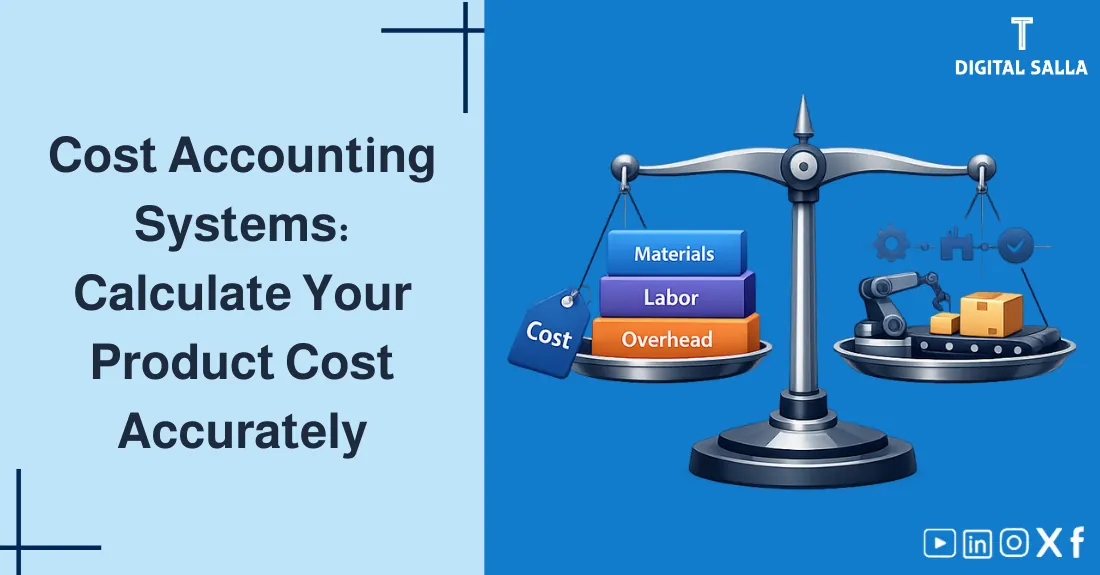
Cost Accounting Systems and Applications: How to Accurately Calculate Your Product’s Cost?
Cost Accounting: How to Accurately Calculate Your Product's Cost? Learn cost calculation methods, cost control, and the role of a cost accountant in improving margins and identifying waste points—Digital Basket.
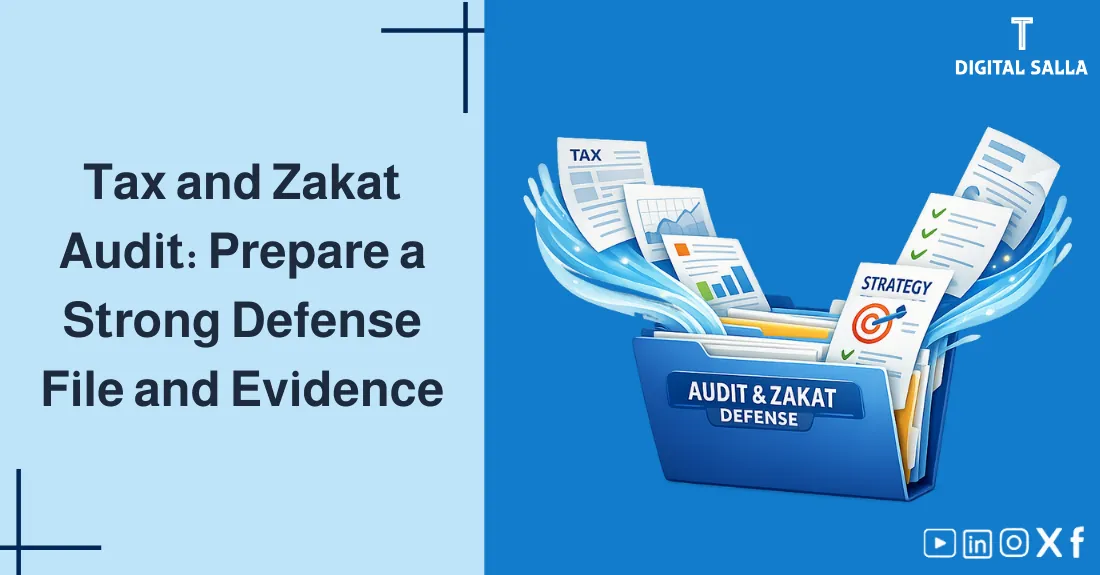
Tax and Zakat Audit: How to Prepare a Strong Defense File and Supporting Documents?
Tax and Zakat Audit: How to Prepare a Strong Defense File? Learn about the required documents, how to handle tax assessment, tax review, and effective steps to object to Zakat—Digital Basket.
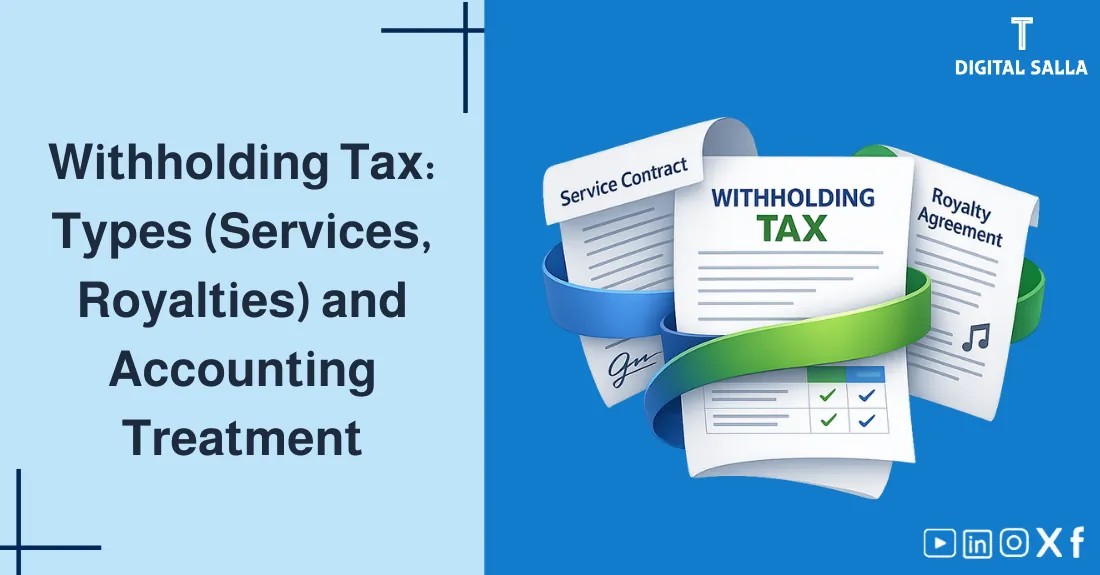
Withholding Tax: Its Types (Services, Royalties) and Accounting Treatment
Withholding Tax: Learn About Its Types Such as Services and Royalties, Withholding Tax Rates, Imported Services, How to Record Them Accounting-wise, and Prepare the Withholding Tax Form to Avoid Violations—Digital Basket.
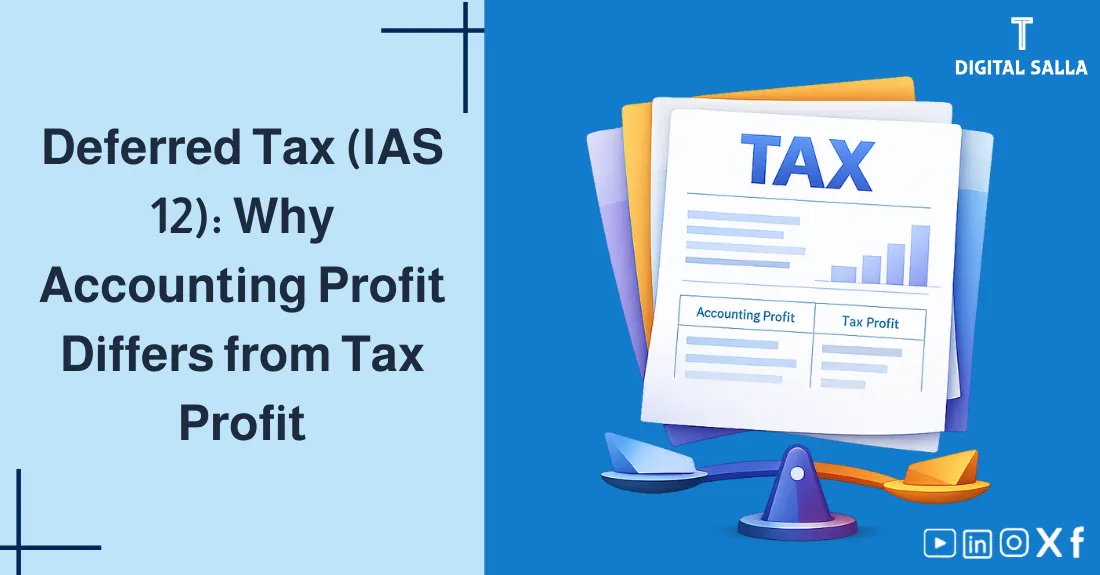
Deferred Taxes (Deferred Tax – IAS 12): Why Do Accounting Profits Differ from Tax Profits?
Deferred Taxes (IAS 12): Why Do Accounting Profits Differ from Tax Profits? Explanation of Temporary Differences and How to Recognize Deferred Tax Assets and Liabilities with Simplified Examples—Digital Basket.
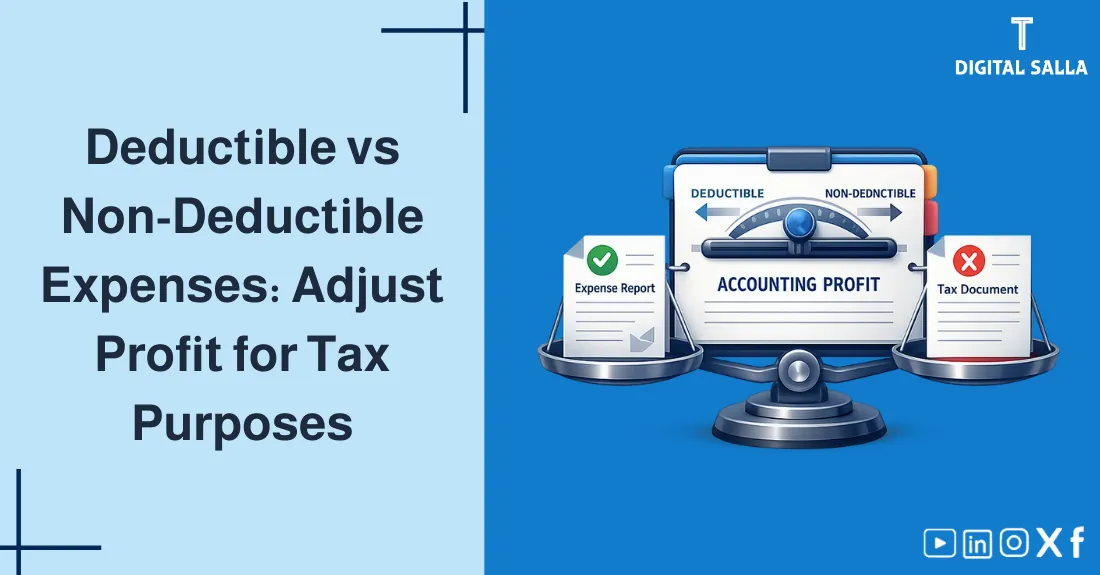
Deductible and Non-Deductible Expenses: How to Adjust Accounting Profit for Tax Purposes?
Deductible Expenses: Learn About Non-Tax-Deductible Expenses and How to Make Tax Adjustments to Adjust Accounting Profit and Reach Adjusted Profit According to Regulations, with Practical Examples—Digital Basket.
Zakat Base Calculation: Adjusted Net Assets Method and Working Capital
Zakat Base Calculation: Explanation of the Adjusted Net Assets Method and How to Calculate Working Capital, and Determine Zakat Assets and Liabilities Step by Step to Reach an Accurate and Defensible Base—Digital Basket.

Zakat and Income: The Fundamental Difference Between Them and Who is Subject to Each?
Difference Between Zakat and Tax: Who is Subject to Zakat and Who is Subject to Tax? How to Determine the Zakat Base and Tax Base and What Documents Support Your Position During Inspection—Digital Basket.
Income Tax and Sharia Zakat: Rules, Base, and Report
Zakat and Income: A Simplified Guide to Zakat and Income Tax Rules in Saudi Arabia, the Role of the Zakat, Tax, and Customs Authority, How to Determine the Base and Prepare the Report with Key Control Points—Digital Basket.
Zero-Rated and Exempt Tax: Key Differences and Their Impact on Input Tax Credit
Difference Between Zero-Rated and Exempt Tax: When Are Supplies Subject to Zero Rate and When Are Goods Considered Exempt? How Does This Affect Input Tax Credit and Tax Refund, Especially in Exports—Digital Basket.
Accounting Treatment for VAT: Sales, Purchases, Returns, and Discounts Constraints (Constraints Guide)
VAT Constraints: A Guide to Sales, Purchases, Returns, and Discounts Constraints, with Examples of Sales Tax Entries, Purchase Tax Entries, How to Record Tax Payment, and Account Closure—Digital Basket.
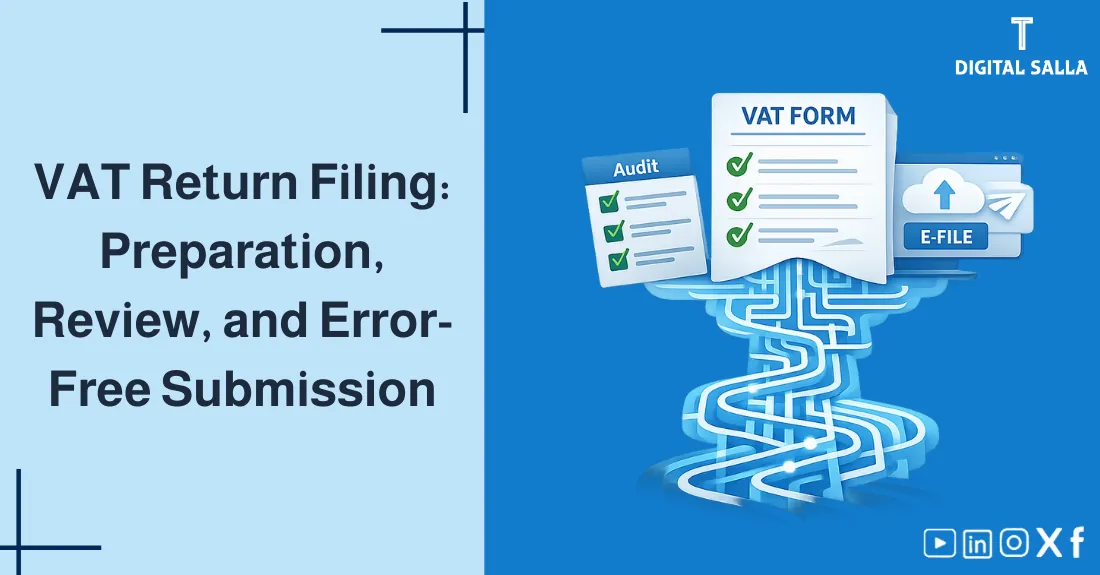
VAT Return: Preparation, Review, and Error-Free Submission Steps
VAT Return: Steps to Prepare and Review the Return Form, How to Submit the Return on Time with Knowledge of Return Dates and Late Penalties, and a Checklist to Prevent Input and Output Errors—Digital Basket.
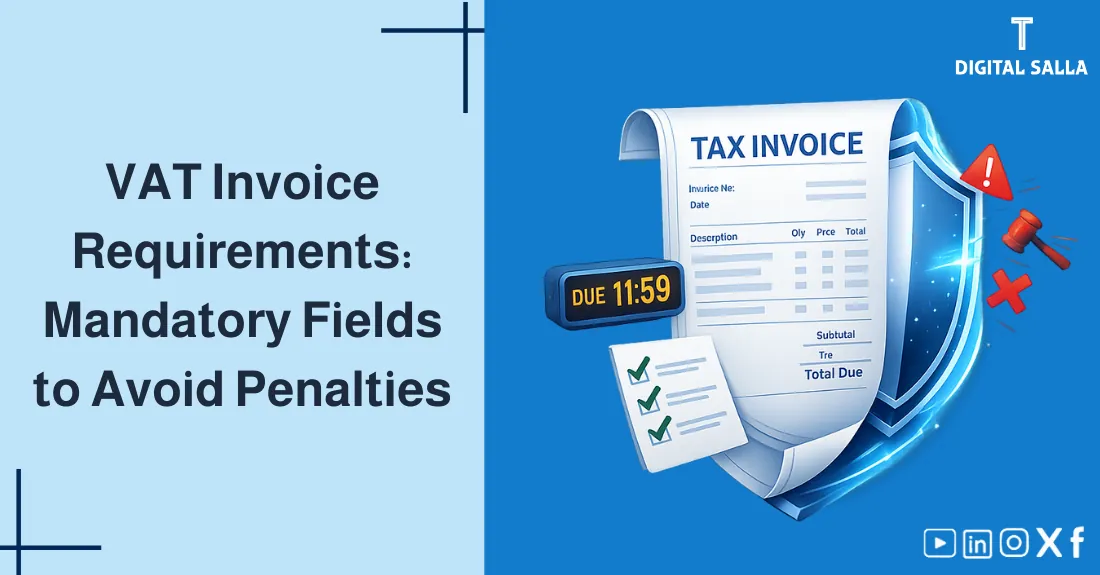
Tax Invoice: Mandatory Data to Avoid Penalties and Rejection of Tax Deduction
Tax Invoice: What are the mandatory data in invoice requirements? How to avoid penalties and rejection of tax deduction, with clarification on electronic invoices and simplified tax invoices and common errors—Digital Basket.
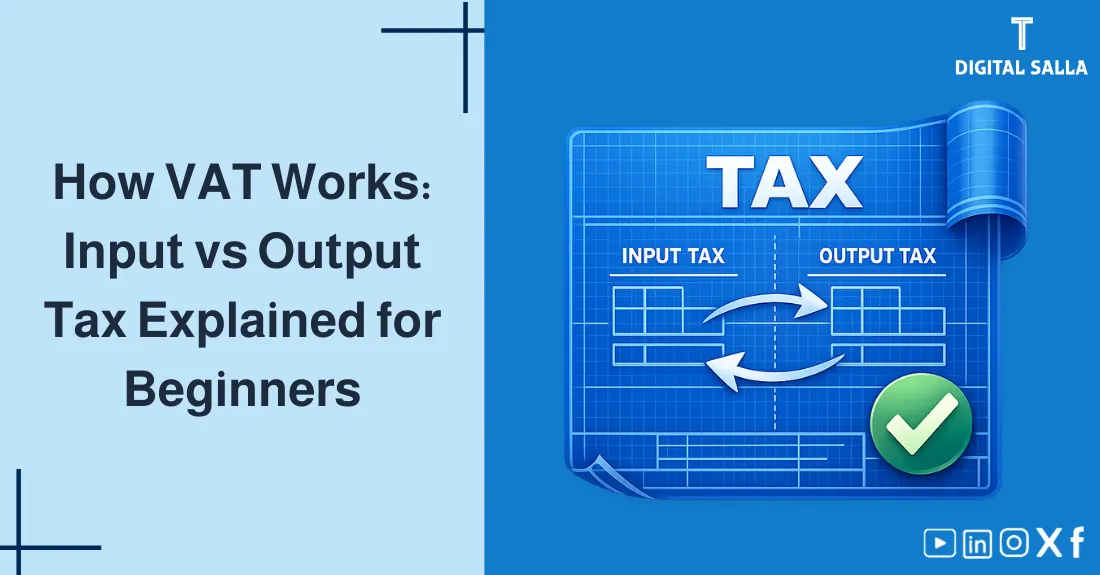
How does Value Added Tax work? The difference between input and output tax (Beginner’s Explanation)
Value Added Tax Explained for Beginners: The concept of value added, how to calculate the tax, the difference between input and output tax, when to start registration for the tax, and what documents are required—the digital basket.
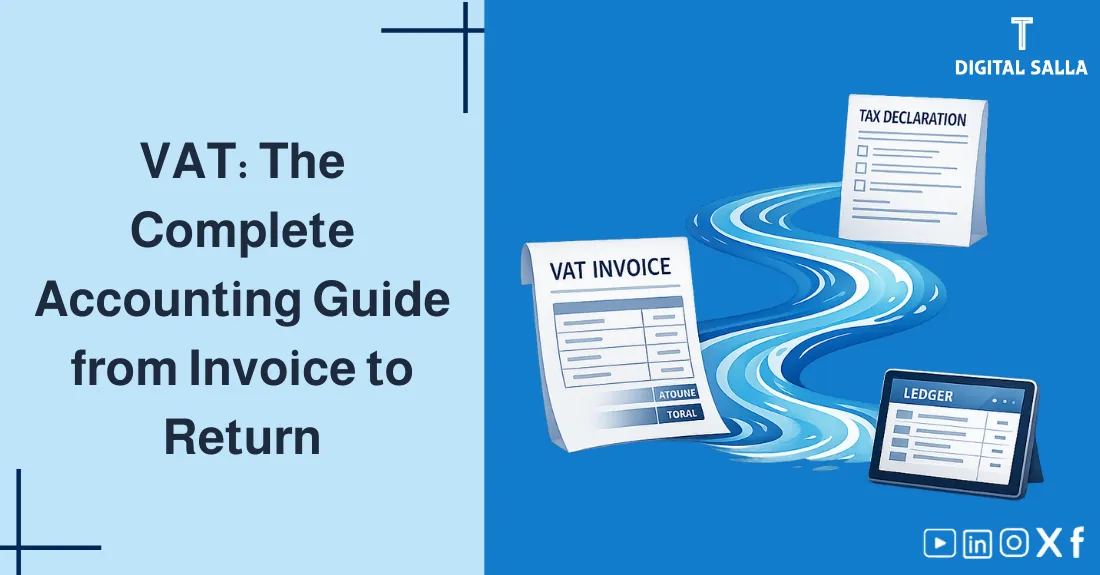
Value Added Tax (VAT): The Comprehensive Accounting Guide (From Invoice to Declaration)
Value Added Tax: The comprehensive accounting guide for VAT Accounting in Saudi Arabia, from invoice to entries, understanding input and output tax, and preparing data to submit a correct declaration without penalties—the digital basket.

Payroll Reconciliation: How to match HR records with accounts and the bank?
Payroll Reconciliation: How to reconcile payrolls and review them by matching HR records with accounts and bank statements, and discover discrepancies before they turn into problems or claims—the digital basket.
Social Insurance and Allowances: How to calculate the net salary and the employee’s cost to the company?
Social Insurance Calculation: How to calculate the company's share and the employee's share (GOSI) and record the insurance entry and deductions to reach the net salary and the employee's cost to the company accurately—the digital basket.
End of Service Benefit (EOSB): Calculation Method and Accounting Treatment (According to Labor System and IAS 19)
End of Service Benefit (EOSB) Calculation: The method of calculation according to the labor system, and how to form and account for the end-of-service provision according to IAS 19, with examples of entries and adjustments for employee entitlements—the digital basket.
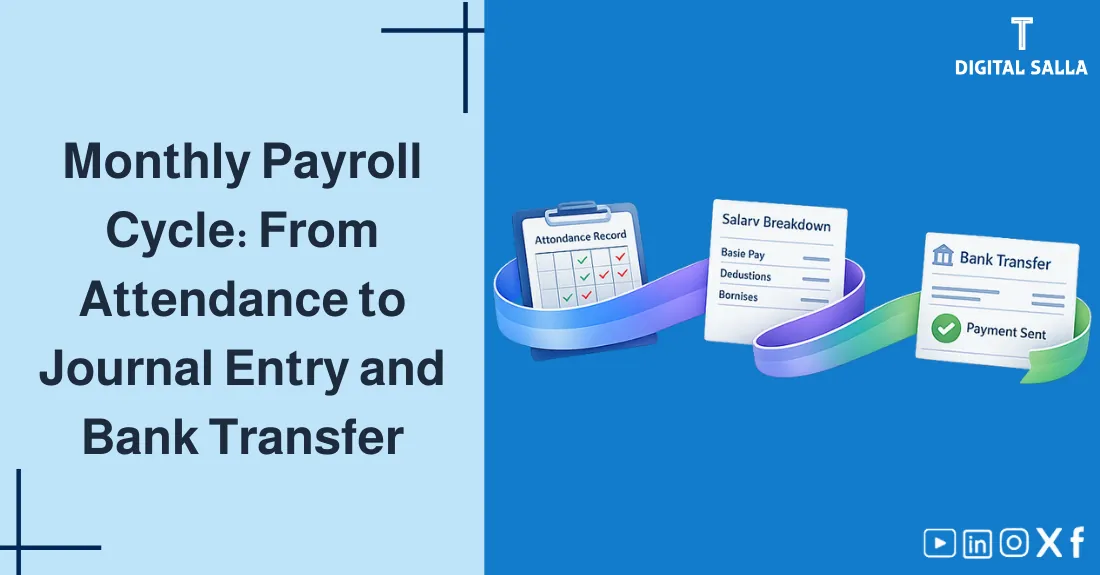
Monthly Payroll Cycle: Journey from Attendance Sheet to Entry and Bank Transfer
Step-by-step payroll processing: From attendance sheet and payroll preparation to payroll entry and bank transfer via WPS, with a checklist to ensure correct deductions and bank reconciliation—the digital basket.
Payroll and HR Systems: Accounting and Compliance
Payroll Accounting: A guide to Payroll Accounting for payroll and HR systems, from payroll processing to employee benefits and labor costs and compliance, with control points to reduce errors and risks—the digital basket.
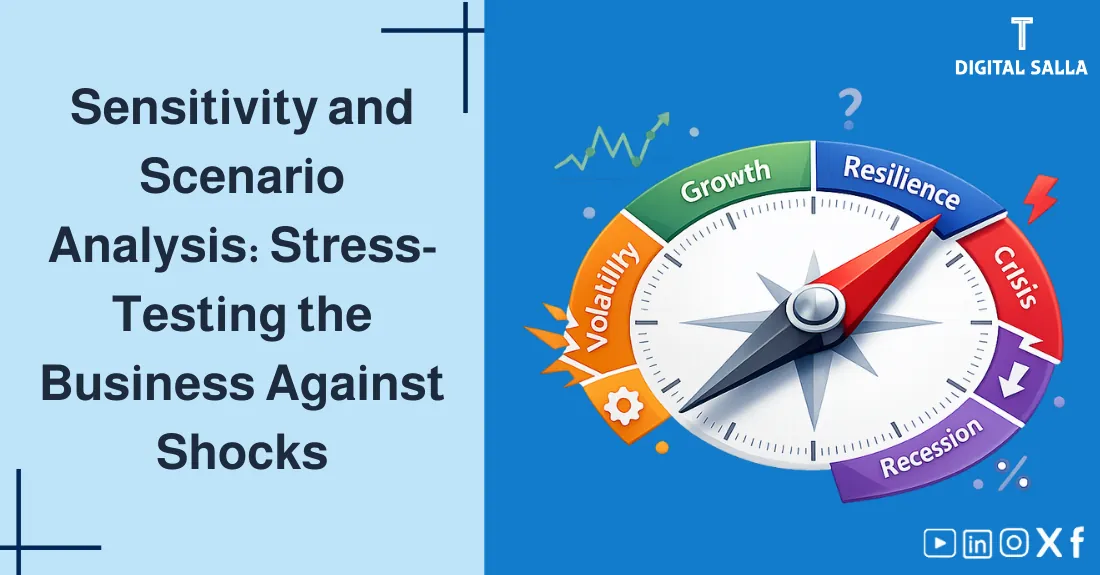
Sensitivity and Scenario Analysis: Stress Testing the Company’s Resilience
Sensitivity Analysis: How to build scenario analysis and apply stress testing to measure financial risks? Learn to identify critical variables and their impact on profitability and liquidity before making a decision—the digital basket.
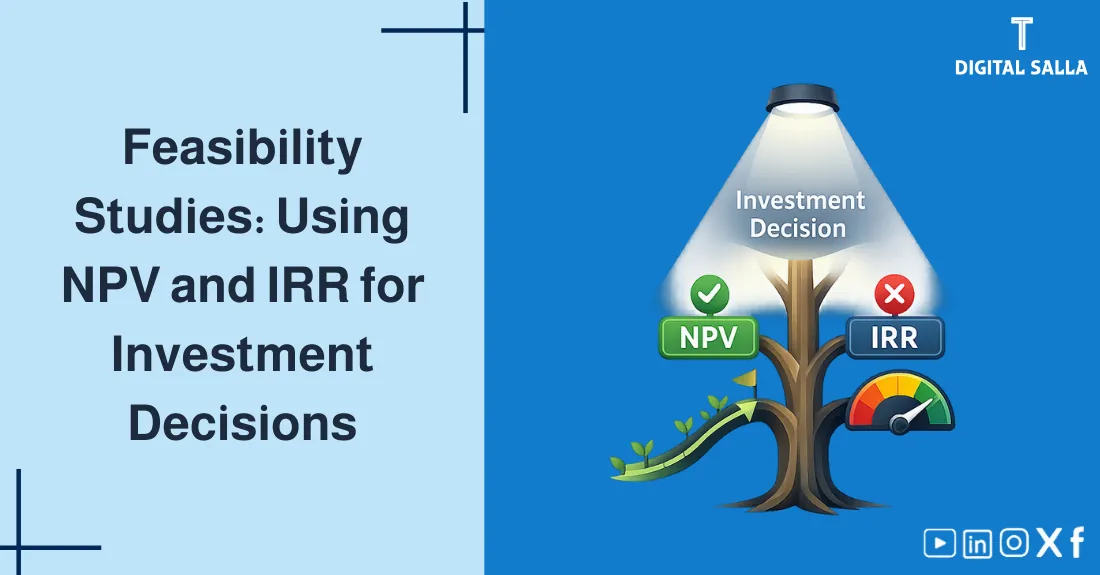
Feasibility Studies: Using NPV and IRR to make investment decisions
Financial Feasibility Study: How to use Net Present Value (NPV) and Internal Rate of Return (IRR) and the payback period to make investment decisions, with steps for risk assessment and assumptions to ensure realistic results—the digital basket.
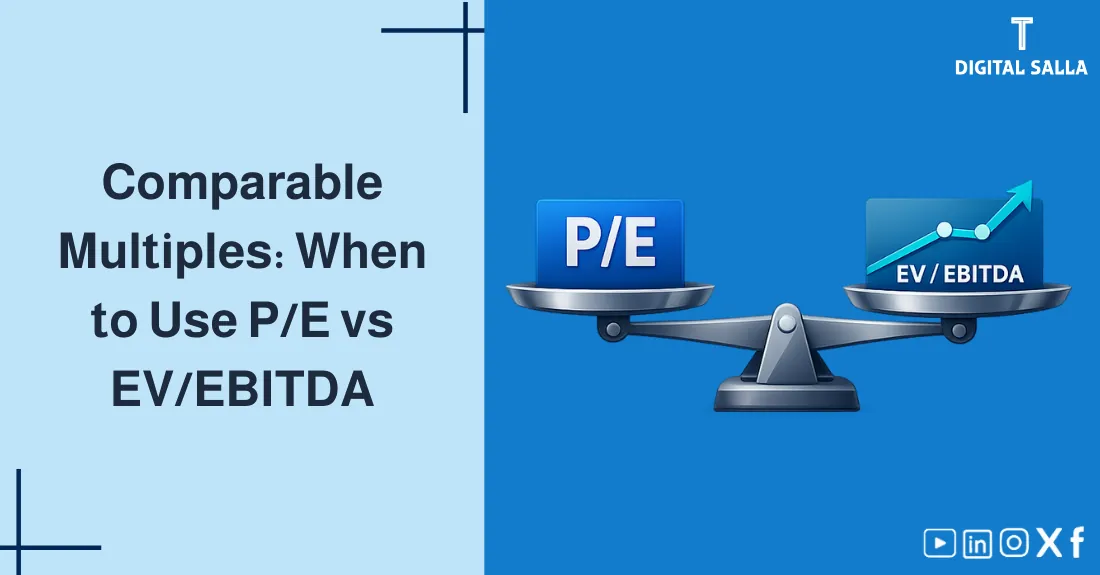
Valuation with Market Multiples (Comparable Multiples): When to use P/E and when EV/EBITDA?
Profit Multiples: When to use the P/E ratio and when EV/EBITDA? And how to read the sales multiple and apply Comparable Multiples to evaluate startups and mature companies without exaggerations—the digital basket.
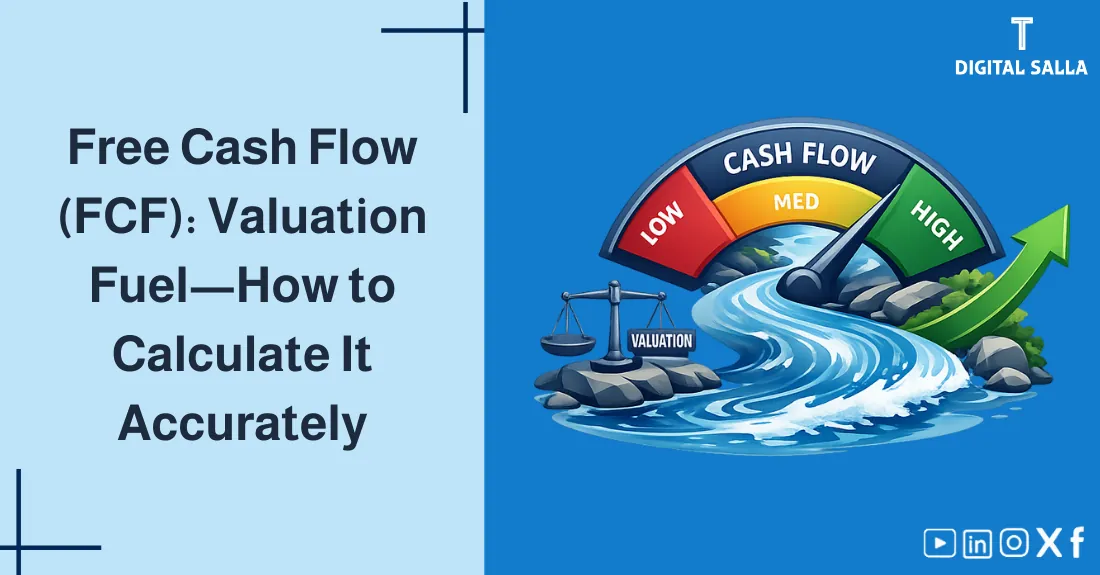
Free Cash Flow (FCF): The fuel for valuation, how to calculate it accurately?
Free Cash Flow (FCF): How to accurately calculate FCF? And why is it the fuel for valuation in Discounted Cash Flow (DCF). Explanation of formulas, components, and common errors that mislead value—the digital basket.