


Common Entries Library: Establishment, sales, purchase, and expense entries
Common Journal Entries Library: Ready-made accounting entry templates including establishment entries, sales entries, purchase entries, and expenses to speed up your work and reduce errors—Digital Basket.
Compound Entries: How to record multi-party transactions?
Learn compound entries and how to record multi-party transactions in the format 'from mentioned to mentioned', with a comparison of simple and compound entries and examples like salary entries and adjustment entries—Digital Basket.
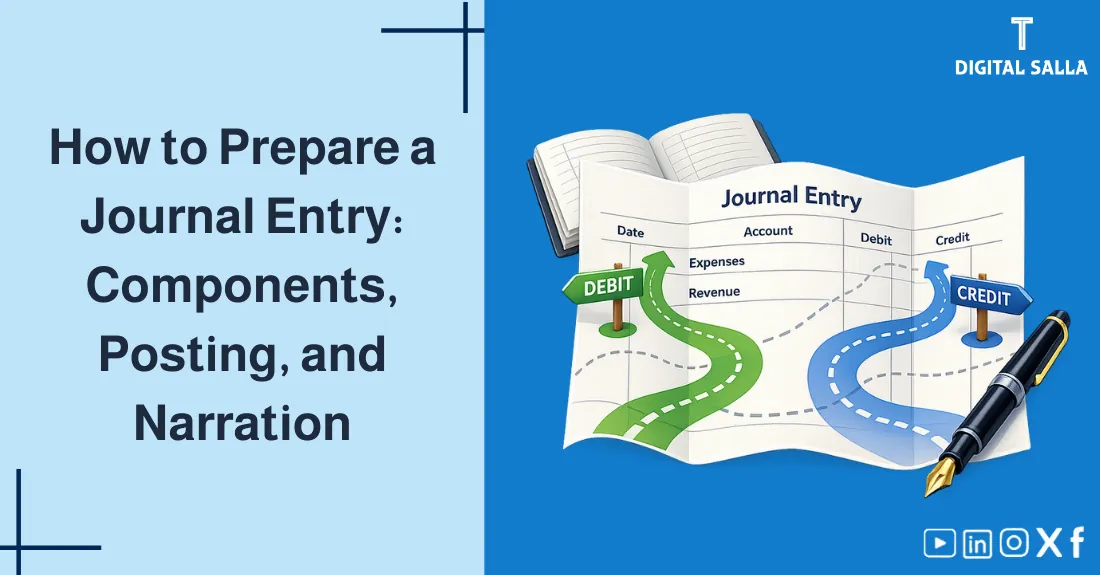
How to Prepare a Journal Entry: Components, Direction, and Narration
Preparing a journal entry step by step: Components of a Journal Entry, rules for writing and directing entries, and how to write a clear narration that supports examination and review—Digital Basket.
Double Entry System: How to weigh each financial transaction (Explanation for Accountants)
Double Entry System: Why is it important and how does it weigh each financial transaction? Learn about the history of double entry and the difference between single and double entry with examples illustrating the accounting logic—Digital Basket.
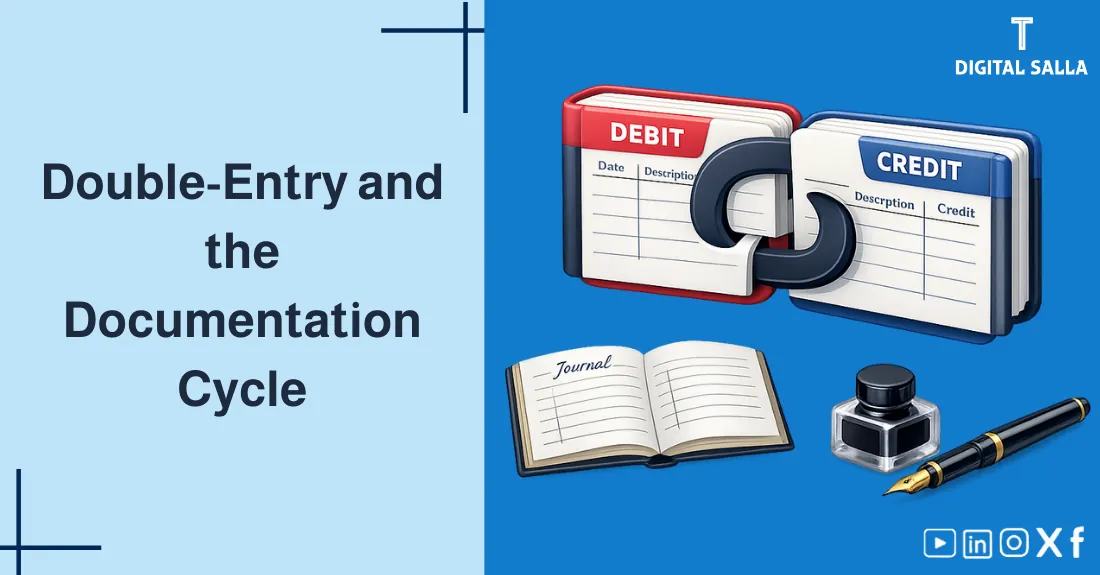
Double Entry and Documentation Cycle (Double Entry & Documentation)
Double entry explains the Double Entry System theory and how both sides of the entry work to ensure balance, with an overview of the documentation cycle and accounting mechanics from document to ledger—Digital Basket.
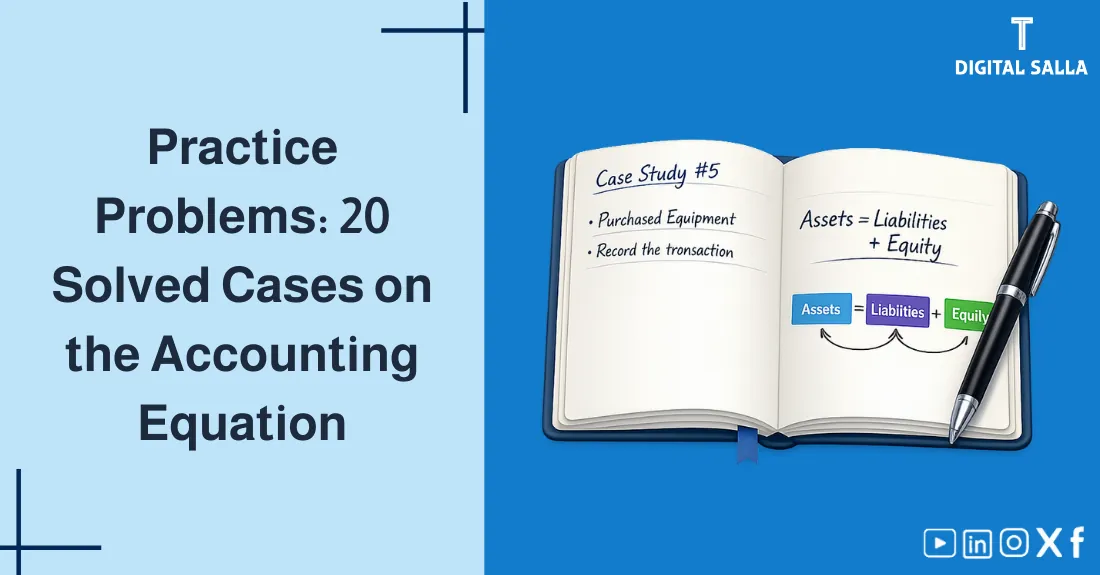
Solved practical exercises: 20 practical cases on the accounting equation
Exercises on the accounting equation: 20 solved accounting problems and practical applications and case studies to help you understand the impact of transactions on assets, liabilities, and equity—Accounting training on Digital Basket.
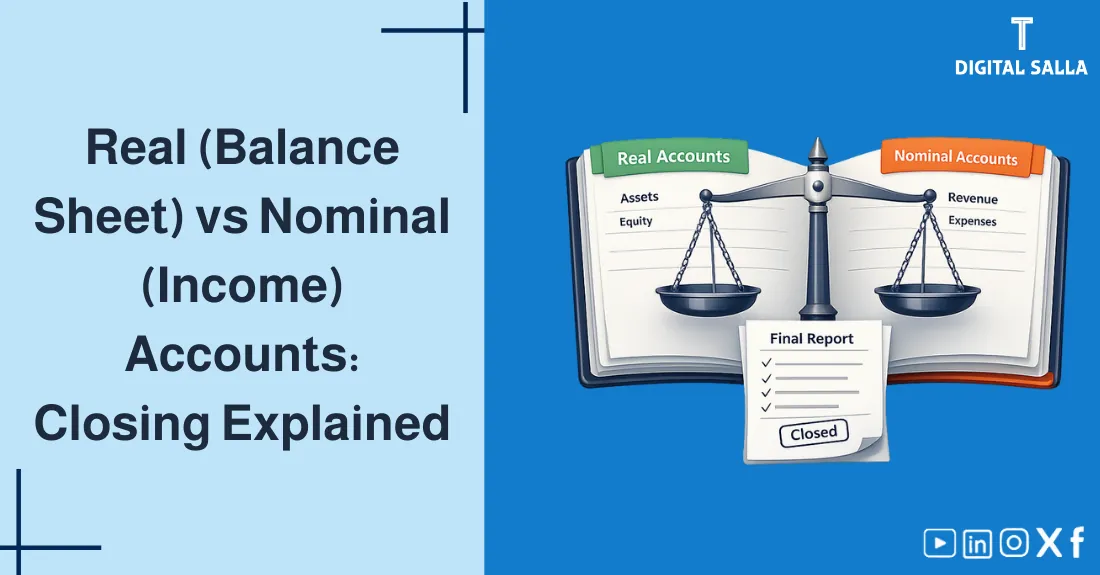
Real accounts (balance sheet) vs nominal accounts (income): differences and closure
Real and nominal accounts: the difference between balance sheet accounts and income statement accounts, and what temporary and permanent accounts mean and how balances are transferred and closed at the end of the period—Digital Basket.

Payment vs Expense: When is payment considered an asset (Prepaid) and when is it considered an expense?
The difference between payment and expense: When does payment become an asset as a prepaid expense and when is it recognized as an expense? Explanation of expense recognition timing with practical examples—Digital Basket.
Collection vs Revenue: Why is cash not always profit?
Learn the difference between collection and revenue and why cash is not always profit: revenue recognition according to the accrual principle and distinguishing between cash flow vs profit with examples—Digital Basket.
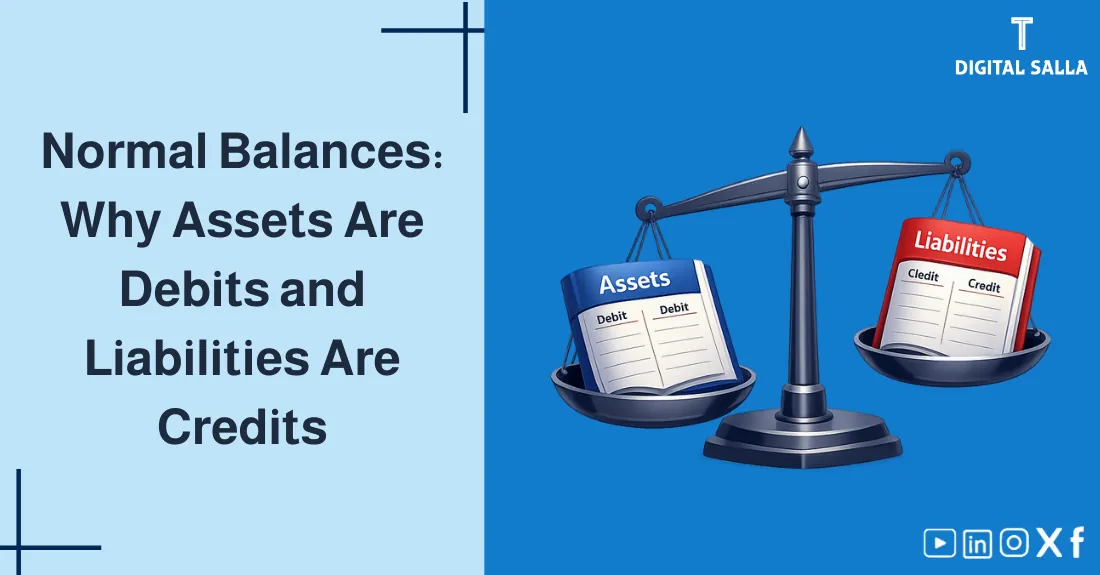
Nature of accounts (Normal Balance): Why are assets debited and liabilities credited?
Nature of accounts or normal balance: Why are assets debited and liabilities credited? Explanation of debited accounts and credited accounts and entry rules and their relation to the chart of accounts—Digital Basket.
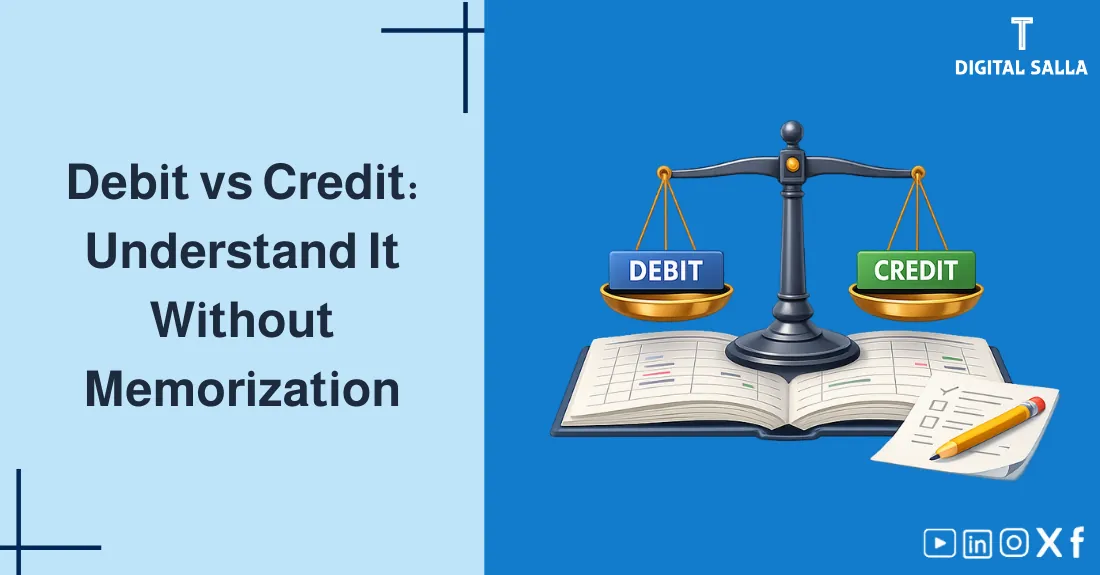
Debit vs Credit rule: How to understand it without memorization?
Understand the Debit and Credit rule without memorization: the difference between debit and credit with the logic of giving and taking, linking it to the nature of accounts and easy entry examples—Digital Basket.
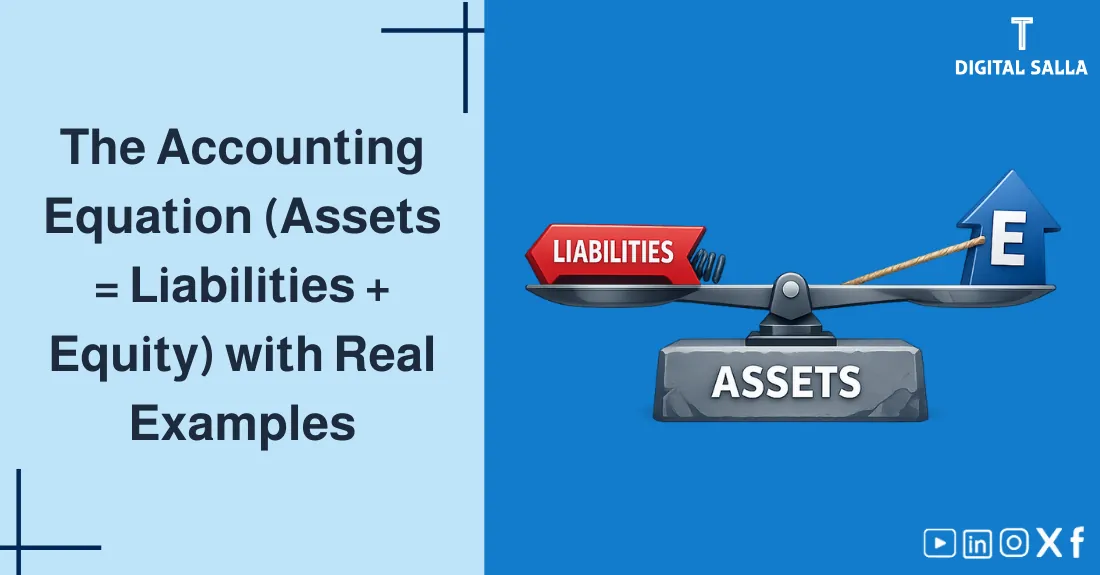
Explanation of the accounting equation (assets = liabilities + equity) with real-world examples
Explanation of the accounting equation with assets = liabilities + equity through real-world examples of the accounting equation, and how to maintain the balance of the equation and understand the impact of transactions instantly—Digital Basket.
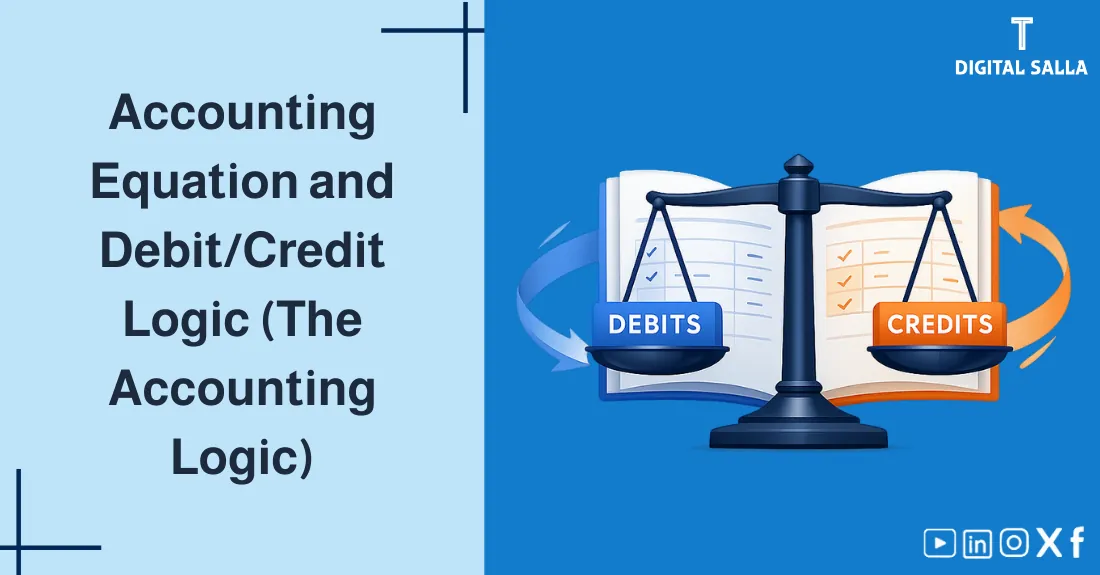
The Accounting Equation and the Logic of Debits and Credits
Learn the Accounting Equation and the Logic of Debits and Credits: The Balance Sheet Equation (Assets Equal Liabilities and Equity) with a Simplified Explanation Linking Transactions to Their Impact—The Digital Basket.
The Evolution of Accounting Tools: From the Abacus to ERP and Artificial Intelligence
The Evolution of Accounting Tools from the Chinese Abacus and Calculator to the History of Accounting Software and the Transition from Ledgers to Computers, then ERP Systems and Artificial Intelligence—The Digital Basket.

Global Accounting Pioneers (Founders of Big 4): Deloitte, Ernst, Young, and Arthur Andersen
Explore the Global Accounting Pioneers and Founders of the Big 4: Deloitte, Ernst & Young, PricewaterhouseCoopers, and Arthur Andersen, with an Overview of the History and Origins of Major Companies—The Digital Basket.

Pioneers of Accounting in Saudi Arabia: The Role of Osama Faqih and Dr. Al-Qasabi in Establishing SOCPA
Pioneers of Accounting in Saudi Arabia: The Role of Osama Faqih and Dr. Al-Qasabi in Establishing SOCPA and the History of the Saudi Organization for Certified Public Accountants and How They Contributed to the Development of the Profession in the Kingdom—The Digital Basket.

Hazem Hassan: The Story of Building the Largest Professional Institution in Egypt and the Region
The Story of Hazem Hassan and How He Founded Hazem Hassan Office and Its Impact on KPMG Egypt, and Why He Was Dubbed the Sheikh of Accountants and Built the Largest Accounting Office in Egypt and the Region—The Digital Basket.
Pioneers of Accounting in Egypt (Founding Generation): Talaat Harb, Abdel Maqsoud Ahmed, Zaki Hassan
Learn About the Pioneers of Accounting in Egypt from the Founding Generation: Talaat Harb, Zaki Hassan, and Abdel Maqsoud Ahmed, and Their Role in the History of Accounting in Egypt and the Association of Accountants and Auditors—The Digital Basket.

History of Auditing: From Detecting Embezzlements to Ensuring Reliability
Read About the History of Auditing and How Auditing Evolved from Detecting Embezzlements to Ensuring Reliability, with Milestones of Financial Scandals and the Emergence of Audit Firms and Their Standards—The Digital Basket.
The Origin of International Standards (IFRS/IASB): Why Did the World Decide to Unify the Language of Money?
Explanation of the Origin of International Standards IFRS and the Role of IASB and the History of the International Standards Committee, and Why Financial Globalization Led to the Unification of Accounting Standards as a Common Language—The Digital Basket.

Luca Pacioli: The Story of the Monk Who Established the Double-Entry System
Learn About Luca Pacioli, the Father of Accounting and Inventor of the Double-Entry System, and the Story of the Summa Book and the Role of the Italian Monk in Establishing Modern Accounting Principles—The Digital Basket.
The Evolution of Accounting Through the Ages: How Did Trade Change the Shape of Ledgers?
The Evolution of Accounting Through the Ages: From Ancient Accounting and the History of Ledgers to the Development of Double-Entry Bookkeeping and the Impact of the Industrial Revolution on Recording and Reporting Methods—The Digital Basket.

History of Accounting and Pioneers of the Profession: A Journey from Clay Tablets to Artificial Intelligence
Explore the history of accounting from the inception of accounting and the history of bookkeeping in ancient civilizations to the development of accounting science and its reach to artificial intelligence—Digital Basket.
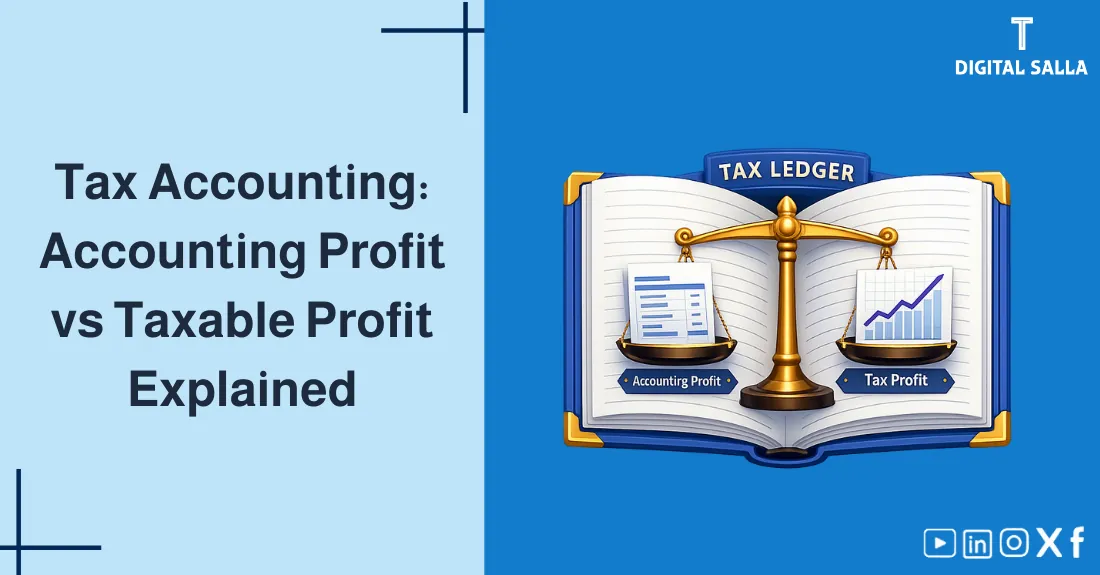
Tax Accounting: What is the Difference Between Accounting Profit and Tax Profit?
Tax accounting explains the difference between accounting profit and tax profit, and how tax differences and tax laws affect the tax return and company planning—Digital Basket.
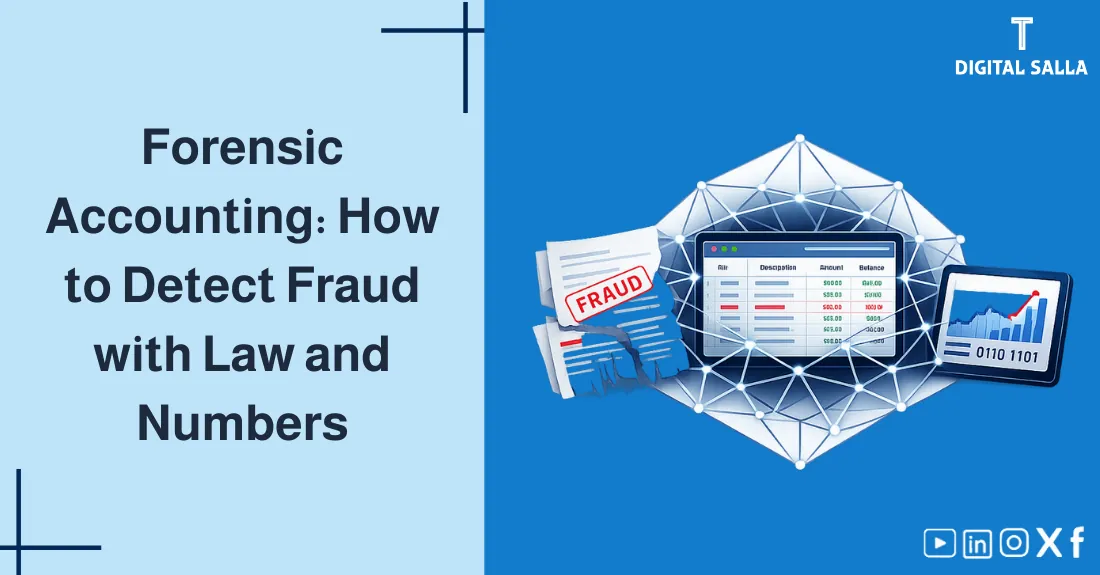
Forensic Accounting: How to Uncover Fraud with Law and Numbers?
Your Guide to Forensic Accounting: How Fraud is Uncovered, and the Role of the Forensic Accountant in Financial Investigation, Evidence Gathering, and Pattern Analysis—Digital Basket.
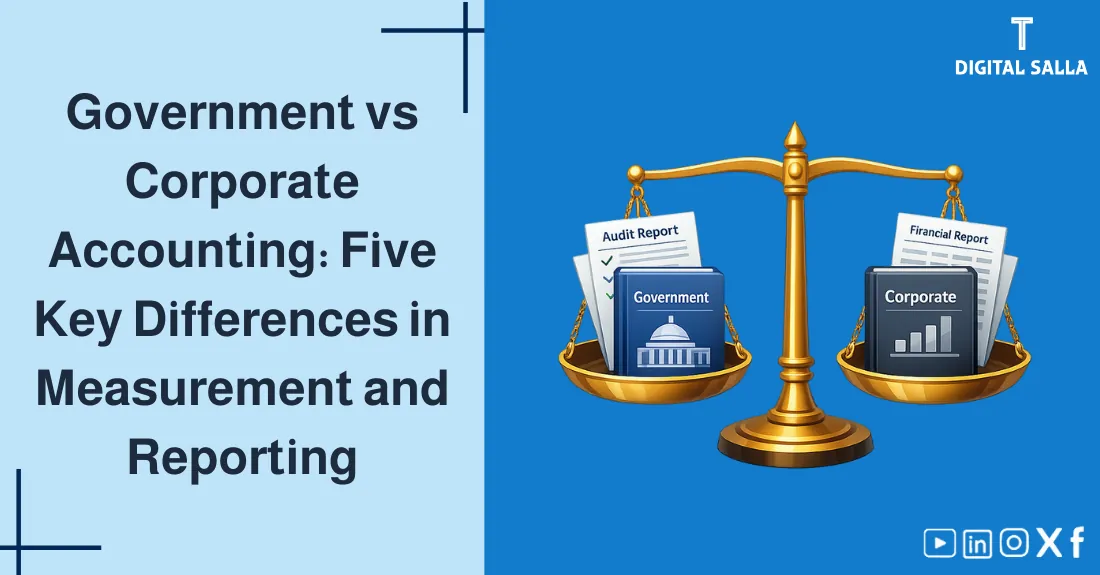
Government Accounting vs Corporate Accounting: 5 Key Differences in Measurement and Reporting
Learn about government accounting vs corporate accounting through 5 differences in measurement and reporting, and the impact of accrual basis, general budget, and differences between the public and private sectors—Digital Basket.
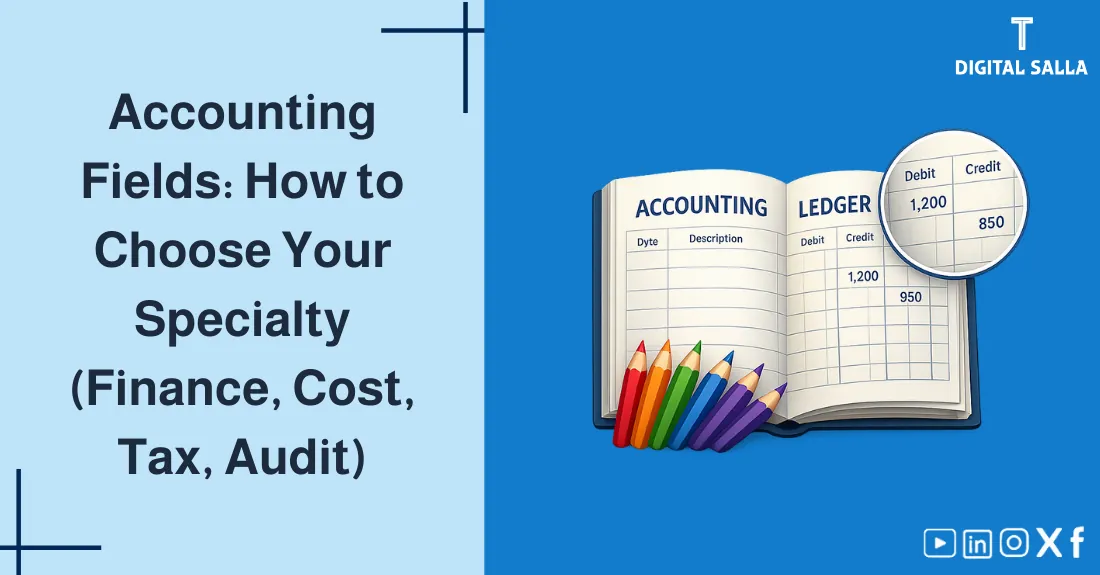
Accounting Branches: A Guide to Choosing Your Specialty (Financial, Cost, Tax, Audit)
Discover the branches and types of accounting, and choose the most suitable accounting specialties: financial, cost, tax, audit, with an explanation of the difference between financial and managerial accounting—Digital Basket.
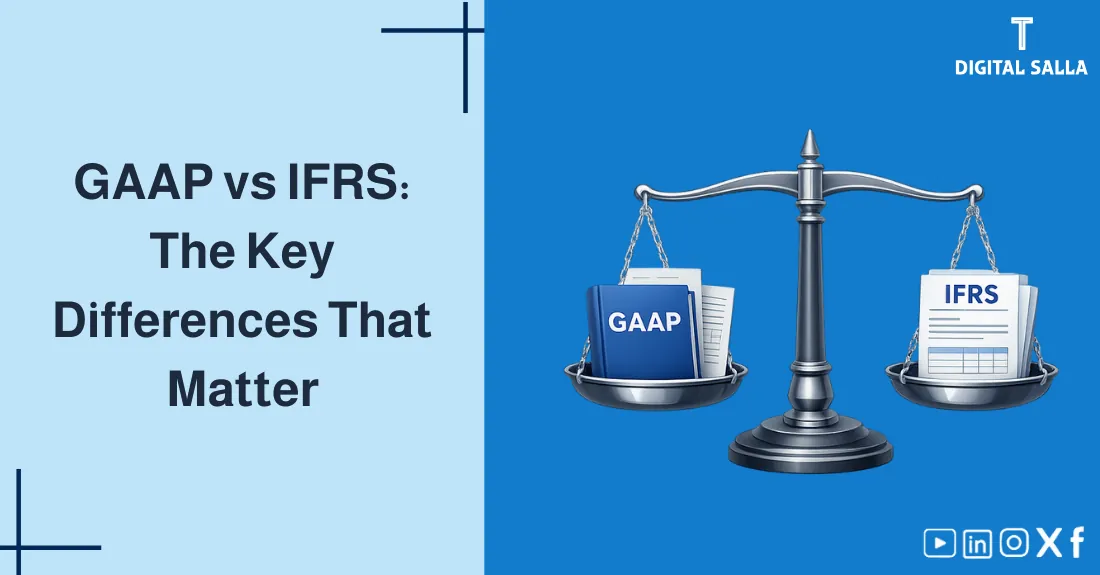
Generally Accepted Accounting Principles (GAAP) vs International Standards (IFRS): Key Differences
Explanation of the difference between GAAP and IFRS and the key differences between generally accepted accounting principles and international accounting standards, and when transitioning to international standards is beneficial—Digital Basket.
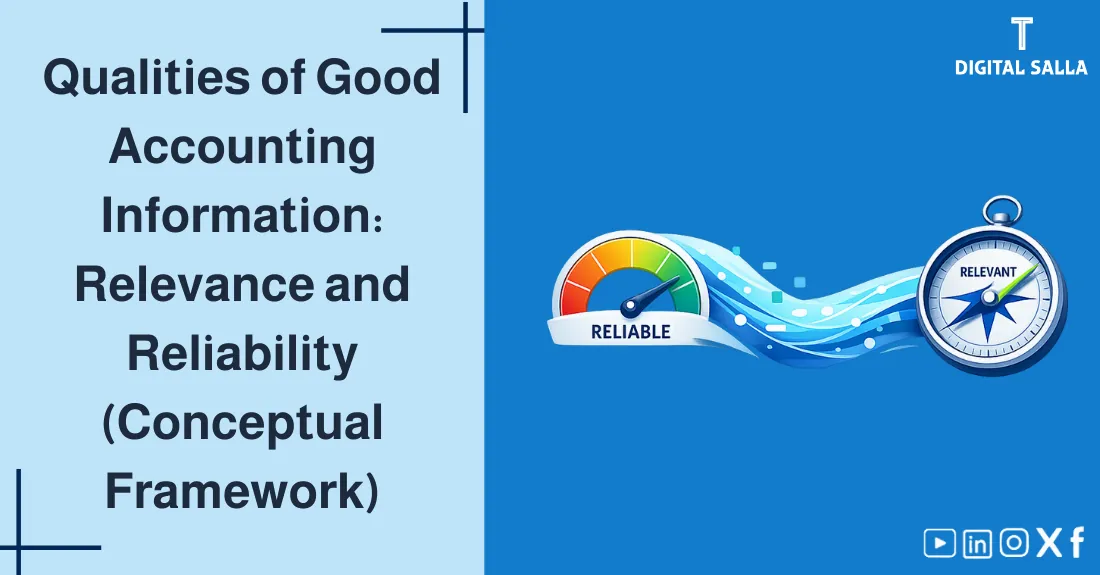
Characteristics of Good Accounting Information: Relevance and Reliability (Conceptual Framework Explanation)
Learn the characteristics of accounting information according to the conceptual framework: relevance, reliability, and comparability, and how to enhance the quality of financial reports for better decision-making—Digital Basket.
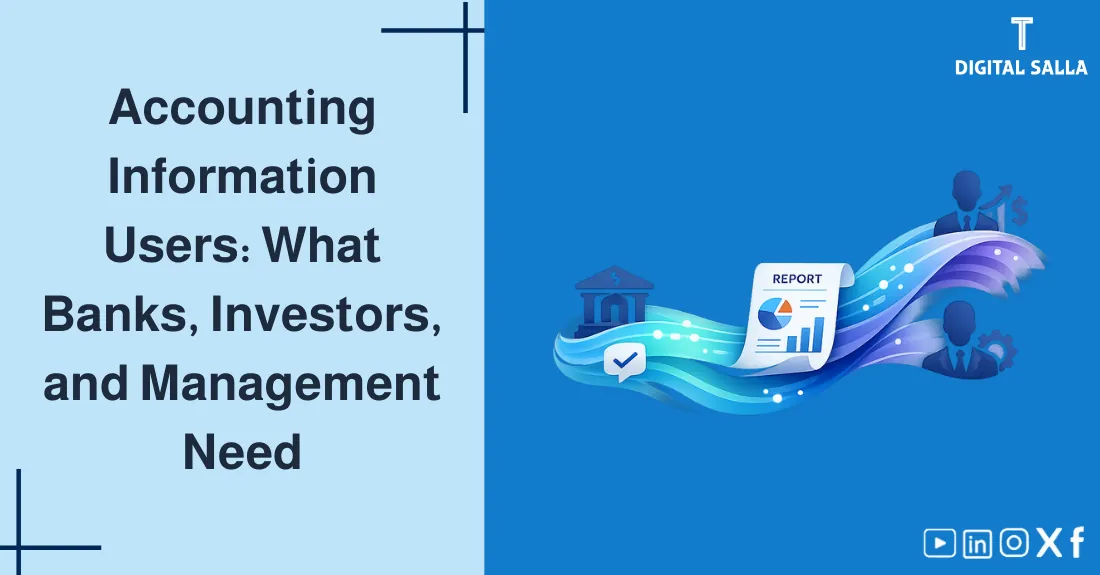
Users of Accounting Information (Stakeholders): What Do the Bank, Investor, and Management Want?
Users of accounting information differ in their needs: stakeholders such as banks, investors, and management, and how external and internal reports meet their expectations—Digital Basket.