
Governmental Accounting: Organizing and Managing Public Funds
Learn Governmental Accounting fundamentals, compliance tips, and practical examples—on the Digital Basket.
Tax Accounting: How It Works and Its Importance for Companies and Individuals?
Learn Tax Accounting fundamentals, compliance tips, and practical examples—on the Digital Basket.
Challenges and Opportunities in Accounting for Real Estate Projects
Learn Real Estate Project Accounting fundamentals, compliance tips, and practical examples—on the Digital Basket.
How Accounting Systems Help Companies with Compliance with Tax Regulations
Learn Tax Compliance with Accounting Systems fundamentals, compliance tips, and practical examples—on the Digital Basket.
Non-Profit Organization (NPO) Accounting: Restricted donations and administrative expenses
Non-Profit Organization (NPO) Accounting: How to handle donations and restricted funds, classify administrative expenses, with governance principles in associations and prepare transparent reports that enhance donor and regulatory trust—Digital Basket.
Niche Industry Accounting
Sector Accounting: An introduction to niche industry accounting, and how policies, constraints, and indicators differ from one sector to another, with a topic map to help you choose the right specialization—Digital Basket.
Agricultural and Livestock Accounting (IAS 41): Crop and livestock valuation (fair value)
Agricultural Accounting according to IAS 41: How to measure biological assets and evaluate crops and livestock at fair value? Explanation of recognition, measurement, disclosure, and the impact of changes on profit—Digital Basket.
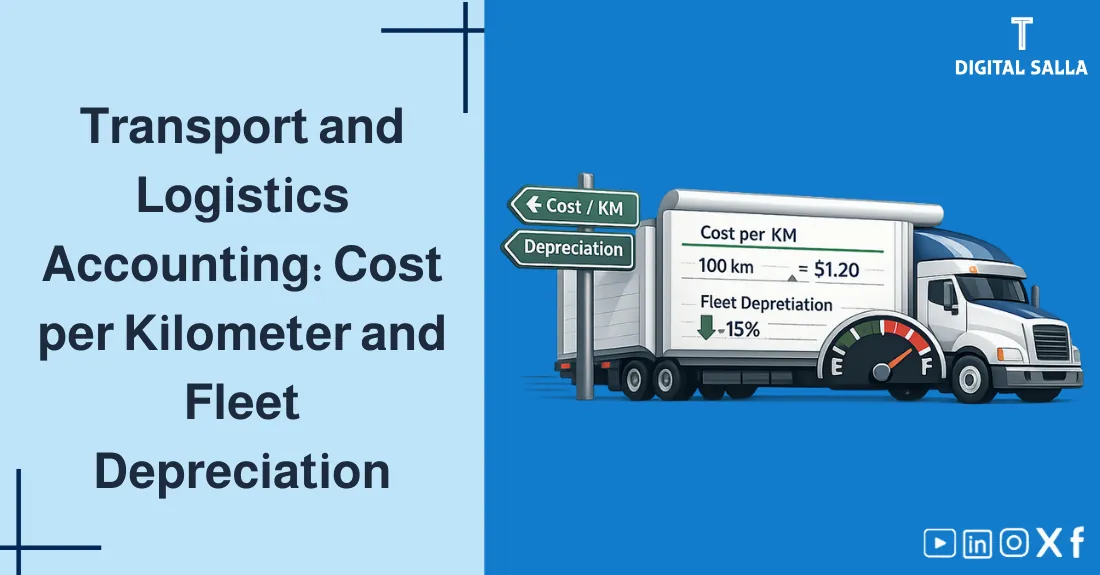
Transport and Logistics Company Accounting: Kilometer cost and fleet depreciation
Transport Company Accounting: How to calculate kilometer costs, manage vehicle and fleet depreciation, and link fuel and maintenance expenses to trips, with reports to help shipping companies improve profitability and pricing—Digital Basket.
Construction and Real Estate Accounting
Construction Accounting: An introduction to Construction & Real Estate explaining the specifics of construction companies, how project costs, extracts, and work-in-progress are managed for accurate reporting and better cash flow—Digital Basket.
Accounting for Law Firms and Professional Services: Tracking Billable Hours
Professional Office Accounting: How to track Billable Hours and link them to revenue? Learn to measure case costs, manage cash flows and receivables in partnerships and professional offices for accurate profitability reports—Digital Basket.
Retention and Guarantee Letters: Accounting and Regulatory Treatment
Retention: How to handle retentions and guarantee letters both accounting-wise and regulatory-wise? Explanation of work insurance, deduction entries, and retention recovery and its impact on liquidity and contractor rights—Digital Basket.
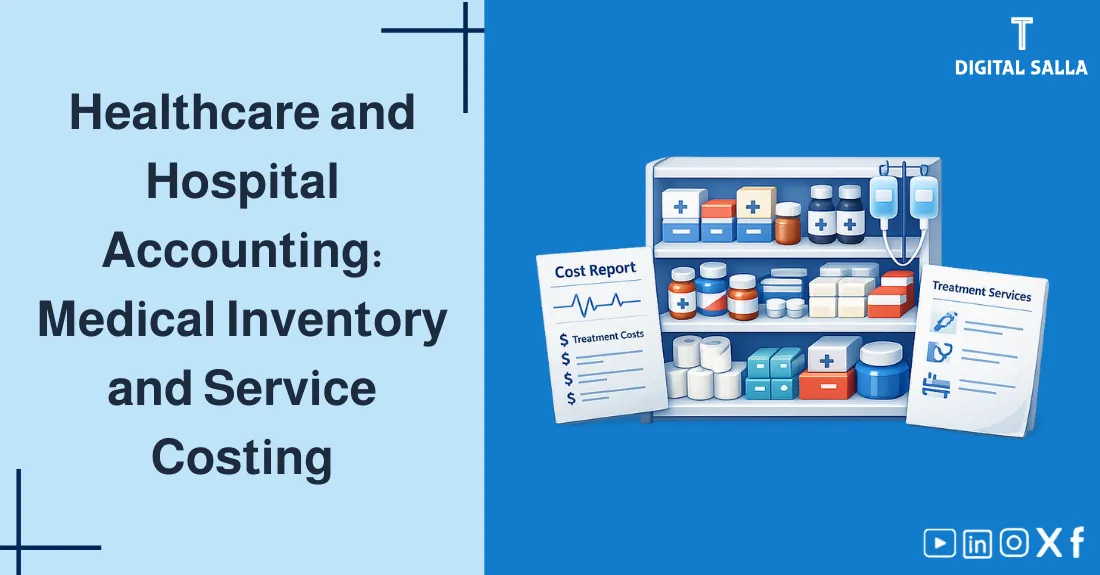
Hospital and Healthcare Sector Accounting: Managing medical inventory and treatment service costs
Hospital Accounting: Managing pharmaceutical inventory and supplies, calculating patient costs and treatment service costs, understanding medical insurance company settlements, and building departmental reports to control waste—Digital Basket.
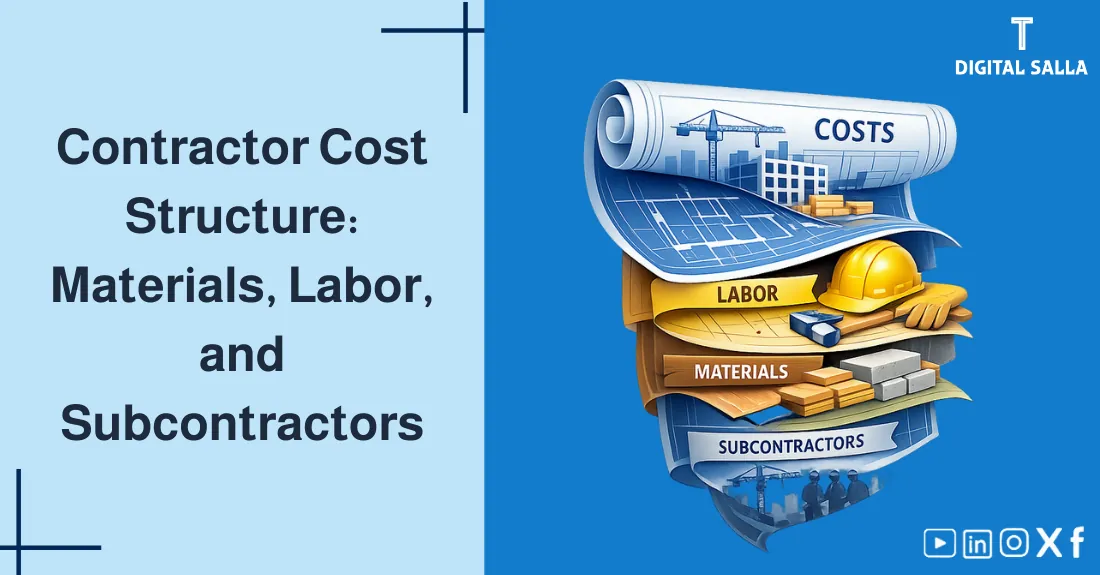
Costs in Construction Companies: Materials, Labor, and Subcontractors
Construction Costs: Managing on-site materials, labor, and subcontractors, with methods to monitor and allocate costs to projects, and how to prevent undocumented costs and control deviations early—Digital Basket.
Mining and Natural Resources Accounting (IFRS 6): Exploration and Evaluation Costs
Mining Accounting under IFRS 6: How to handle exploration and evaluation costs in natural resources, and its relation to the concept of Depletion and required disclosures, with examples to help you understand the sector—Digital Basket.
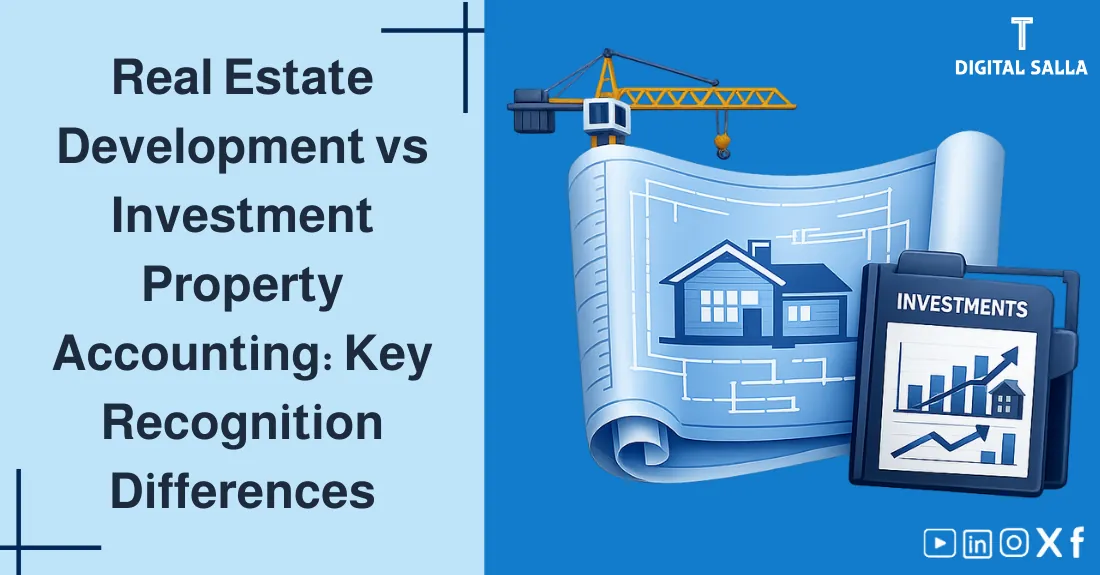
Real Estate Development vs Investment Accounting: Key Differences in Recognition
The difference between real estate development and investment: When to treat assets as development inventory and when as investment property according to IAS 40? Explanation of real estate accounting, unit sales, and the impact of each model on revenue and profit—Digital Basket.
Retail and E-commerce Accounting
Retail Accounting: An Introduction to Retail & E-commerce explaining the nature of retail companies, supermarkets, and POS systems, and how to manage cash, inventory, discounts, and generate daily reports to help you control—Digital Basket.
Retail Accounting: Managing POS and cash and inventory control
Retail Store Accounting: Managing POS, cash control, and inventory, with steps for inventory counting, identifying stock shortages, and handling offers and discounts for accurate sales and profitability reports—Digital Basket.
E-commerce Store Accounting: Handling payment gateways, shipping, and returns
E-commerce Store Accounting: How to handle payment gateways and their fees, link shipping companies and settlements, and process returns and refunds accounting-wise to ensure sales match cash and collections—Digital Basket.
Retail Companies’ Performance Indicators: Sales per square meter and inventory turnover
Retail Performance Indicators: How to measure sales per square meter, average basket, and inventory turnover? Learn to track sales growth and analyze branches and products through simple indicators that reveal what needs immediate improvement—Digital Basket.
Service Accounting (Restaurants, Hotels, and Banks)
Service Accounting: The uniqueness of service companies like restaurants, hotels, and banks, and how to calculate service costs and build profitability reports by department, with an introduction to hotel accounting and key differences—Digital Basket.
Cost Accounting in Restaurants: Standard meal cost (Recipe Costing) and waste control
Restaurant Costs: Learn Recipe Costing to calculate the standard meal cost, and how to monitor food waste and link purchases to consumption and sales to increase margin and reduce waste through daily control—Digital Basket.
Hotel Accounting: USALI System (Uniform System of Accounts for the Lodging Industry)
Hotel Accounting: Explanation of the USALI system (Uniform System of Accounts for the Lodging Industry), and how to analyze room revenue, hotel occupancy, and other revenues by department, with operational reports that facilitate comparison and improvement—Digital Basket.
Bank and Insurance Company Accounting: Basic concepts for the general accountant
Bank Accounting: Basic concepts for the general accountant including banking operations, handling deposits and loans, and letters of credit, with a simplified understanding of how to read statements and indicators in the financial sector—Digital Basket.
Zakat Base Calculation: Adjusted Net Assets Method and Working Capital
Zakat Base Calculation: Explanation of the Adjusted Net Assets Method and How to Calculate Working Capital, and Determine Zakat Assets and Liabilities Step by Step to Reach an Accurate and Defensible Base—Digital Basket.
Deductible and Non-Deductible Expenses: How to Adjust Accounting Profit for Tax Purposes?
Deductible Expenses: Learn About Non-Tax-Deductible Expenses and How to Make Tax Adjustments to Adjust Accounting Profit and Reach Adjusted Profit According to Regulations, with Practical Examples—Digital Basket.
Withholding Tax: Its Types (Services, Royalties) and Accounting Treatment
Withholding Tax: Learn About Its Types Such as Services and Royalties, Withholding Tax Rates, Imported Services, How to Record Them Accounting-wise, and Prepare the Withholding Tax Form to Avoid Violations—Digital Basket.
Tax and Zakat Audit: How to Prepare a Strong Defense File and Supporting Documents?
Tax and Zakat Audit: How to Prepare a Strong Defense File? Learn about the required documents, how to handle tax assessment, tax review, and effective steps to object to Zakat—Digital Basket.
Payroll Reconciliation: How to match HR records with accounts and the bank?
Payroll Reconciliation: How to reconcile payrolls and review them by matching HR records with accounts and bank statements, and discover discrepancies before they turn into problems or claims—the digital basket.
Value Added Tax (VAT): The Comprehensive Accounting Guide (From Invoice to Declaration)
Value Added Tax: The comprehensive accounting guide for VAT Accounting in Saudi Arabia, from invoice to entries, understanding input and output tax, and preparing data to submit a correct declaration without penalties—the digital basket.
How does Value Added Tax work? The difference between input and output tax (Beginner’s Explanation)
Value Added Tax Explained for Beginners: The concept of value added, how to calculate the tax, the difference between input and output tax, when to start registration for the tax, and what documents are required—the digital basket.